Top Water-Saving Irrigation Designs for Drought-Prone Areas


Understanding the Importance of Water-Saving Irrigation
In drought-prone areas, water conservation is a critical concern. Traditional irrigation methods often lead to water wastage, which can be detrimental in regions where every drop counts. Embracing water-saving irrigation designs not only helps conserve this precious resource but also ensures the sustainability of agricultural practices.
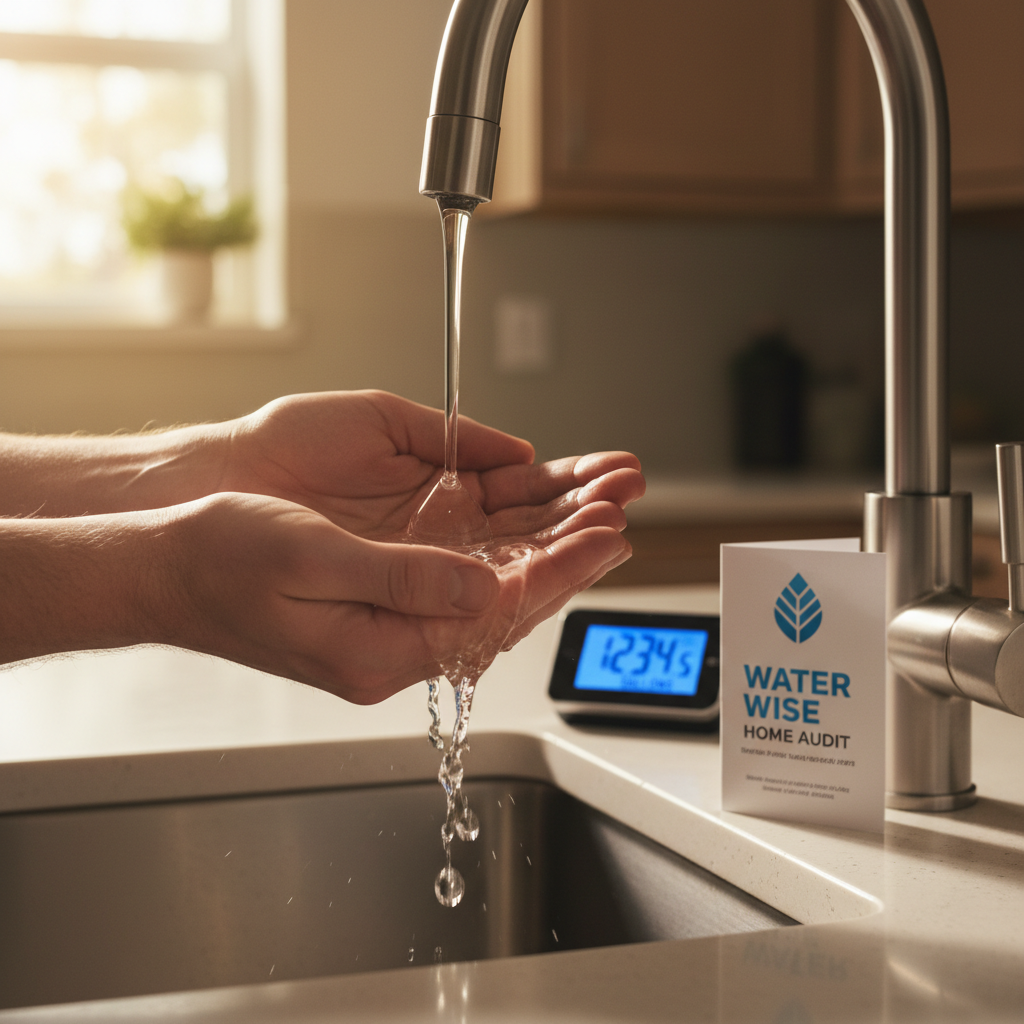
Drip Irrigation: Precision and Efficiency
Drip irrigation is one of the most effective water-saving methods available. This system delivers water directly to the plant roots through a network of tubes, emitters, and valves. By targeting the root zone, drip irrigation minimizes evaporation and runoff, ensuring that plants receive the necessary moisture without excess.
Benefits of Drip Irrigation:
- Reduces water usage by up to 50% compared to traditional methods.
- Improves crop yield by providing consistent moisture.
- Decreases weed growth by limiting water distribution to targeted areas.
Rainwater Harvesting for Irrigation
Rainwater harvesting involves collecting and storing rainwater for irrigation purposes. This method is particularly beneficial in regions with intermittent rainfall. The collected water can be directed to irrigation systems, reducing reliance on groundwater and municipal water supplies.
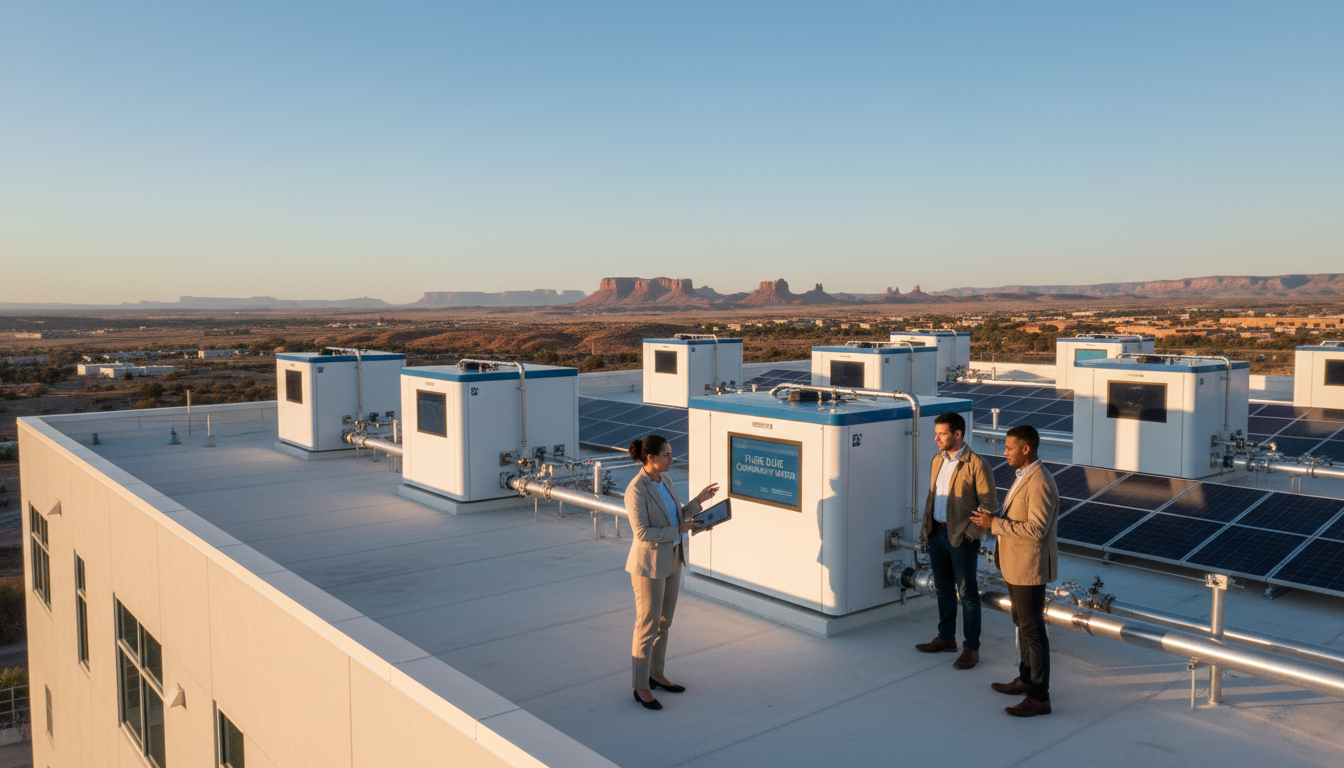
Implementing Rainwater Harvesting
To successfully implement rainwater harvesting, consider the following steps:
- Install gutters and downspouts to collect rainwater from rooftops.
- Use storage tanks or barrels to hold the collected water.
- Connect the storage system to your irrigation setup for efficient water distribution.
Smart Irrigation Controllers
Smart irrigation controllers are a technological advancement in water-efficient irrigation. These devices automatically adjust watering schedules based on weather data, soil moisture levels, and plant needs. By optimizing irrigation timing and volume, smart controllers help conserve water and improve plant health.
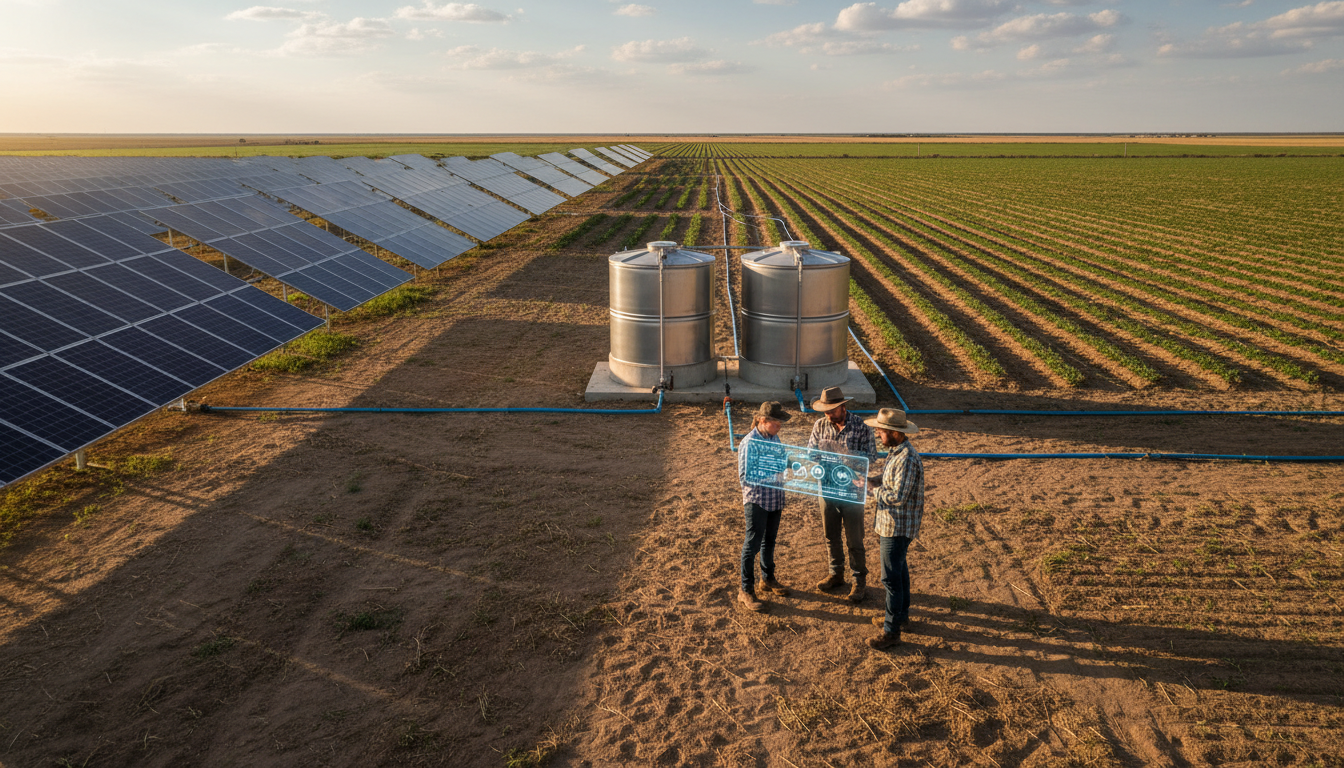
Advantages of Smart Controllers
Some key advantages include:
- Automatic adjustments to reduce water waste during rainy or cool periods.
- Remote access and control via smartphone apps.
- Customizable settings tailored to specific plant types and soil conditions.
Subsurface Irrigation: A Hidden Gem
Subsurface irrigation involves placing irrigation lines below the soil surface. This method delivers water directly to the root zone, further reducing evaporation and runoff. Subsurface systems are ideal for areas with high evaporation rates, ensuring efficient use of water resources.
Benefits of Subsurface Irrigation
Key benefits include:
- Conserves water by preventing surface evaporation.
- Reduces the risk of fungal diseases by keeping foliage dry.
- Enhances nutrient uptake by maintaining consistent soil moisture.
Conclusion: Embracing Sustainable Solutions
Incorporating water-saving irrigation designs is essential for sustainability in drought-prone areas. By adopting methods like drip irrigation, rainwater harvesting, smart controllers, and subsurface systems, communities can significantly reduce water consumption while maintaining healthy and productive landscapes. These innovative solutions not only address current challenges but also pave the way for a more water-conscious future.