Top Water-Saving Irrigation Designs for Drought-Prone Areas


Understanding the Need for Water-Saving Irrigation
In drought-prone areas, efficient water management is crucial to sustaining agriculture and landscaping. Traditional irrigation methods often lead to significant water wastage. By adopting water-saving irrigation designs, we can not only conserve water but also enhance plant health and yield.
These designs are tailored to optimize water usage, ensuring that plants receive the right amount of water at the right time. Let's explore some of the most effective water-saving irrigation systems available today.
Drip Irrigation Systems
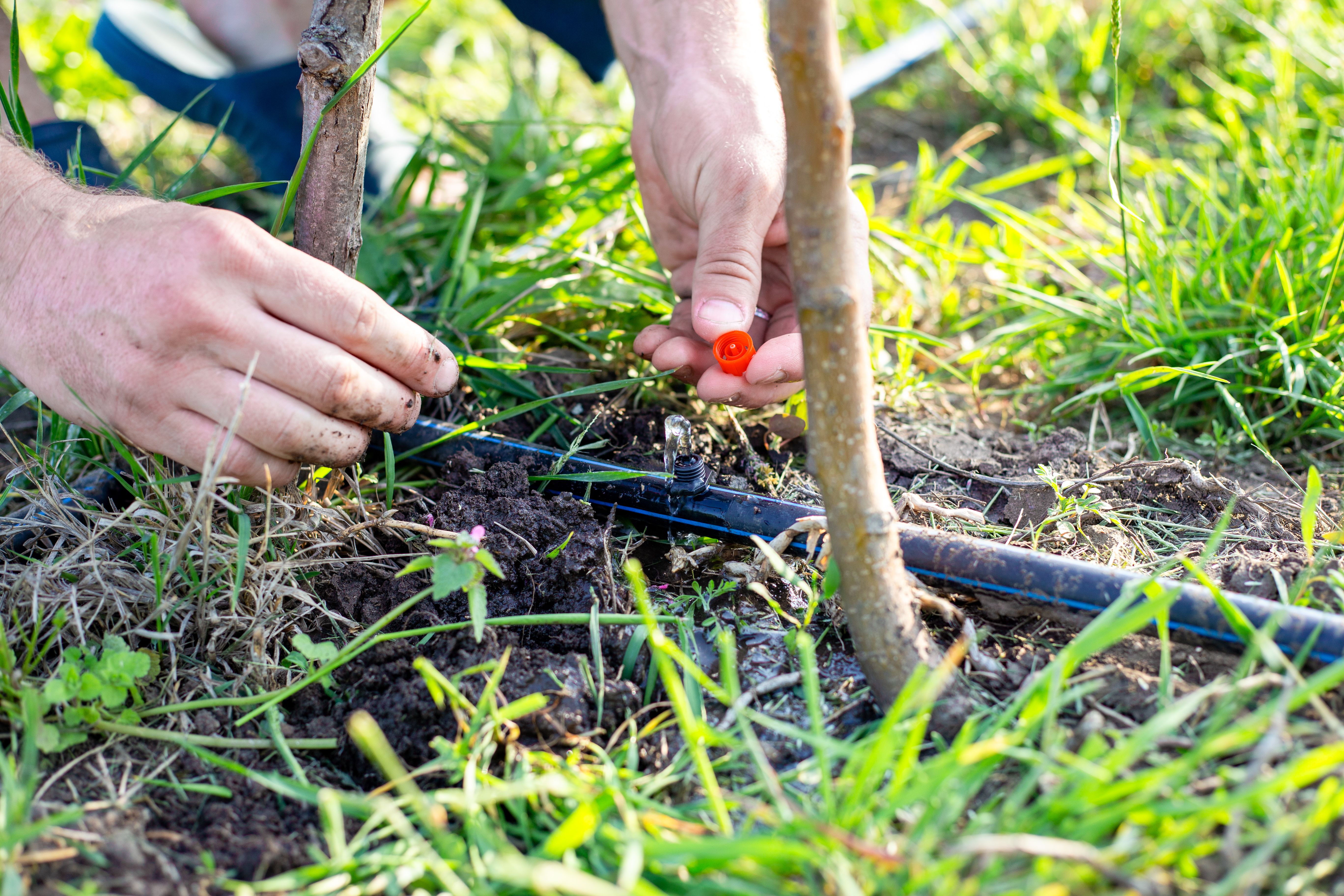
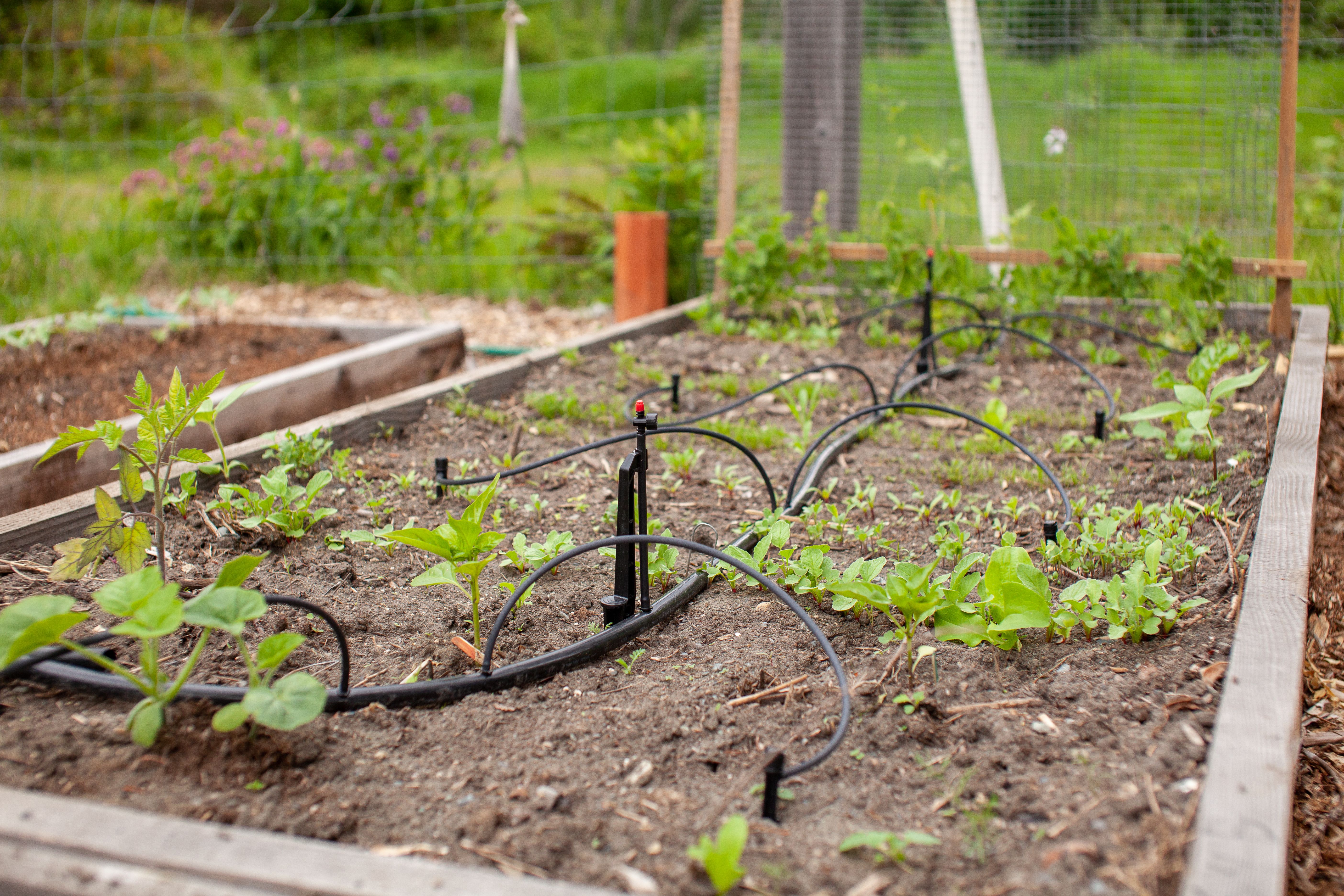
Drip irrigation is a highly efficient system that delivers water directly to the root zone of plants. This method minimizes evaporation and runoff, making it ideal for areas with limited water resources. Drip systems can be customized to fit a variety of landscapes and crop types.
Benefits of Drip Irrigation
- Precision: Water is applied directly where it's needed.
- Conservation: Reduces water usage by up to 50% compared to traditional sprinklers.
- Flexibility: Suitable for all types of terrain and plant species.
Smart Irrigation Controllers
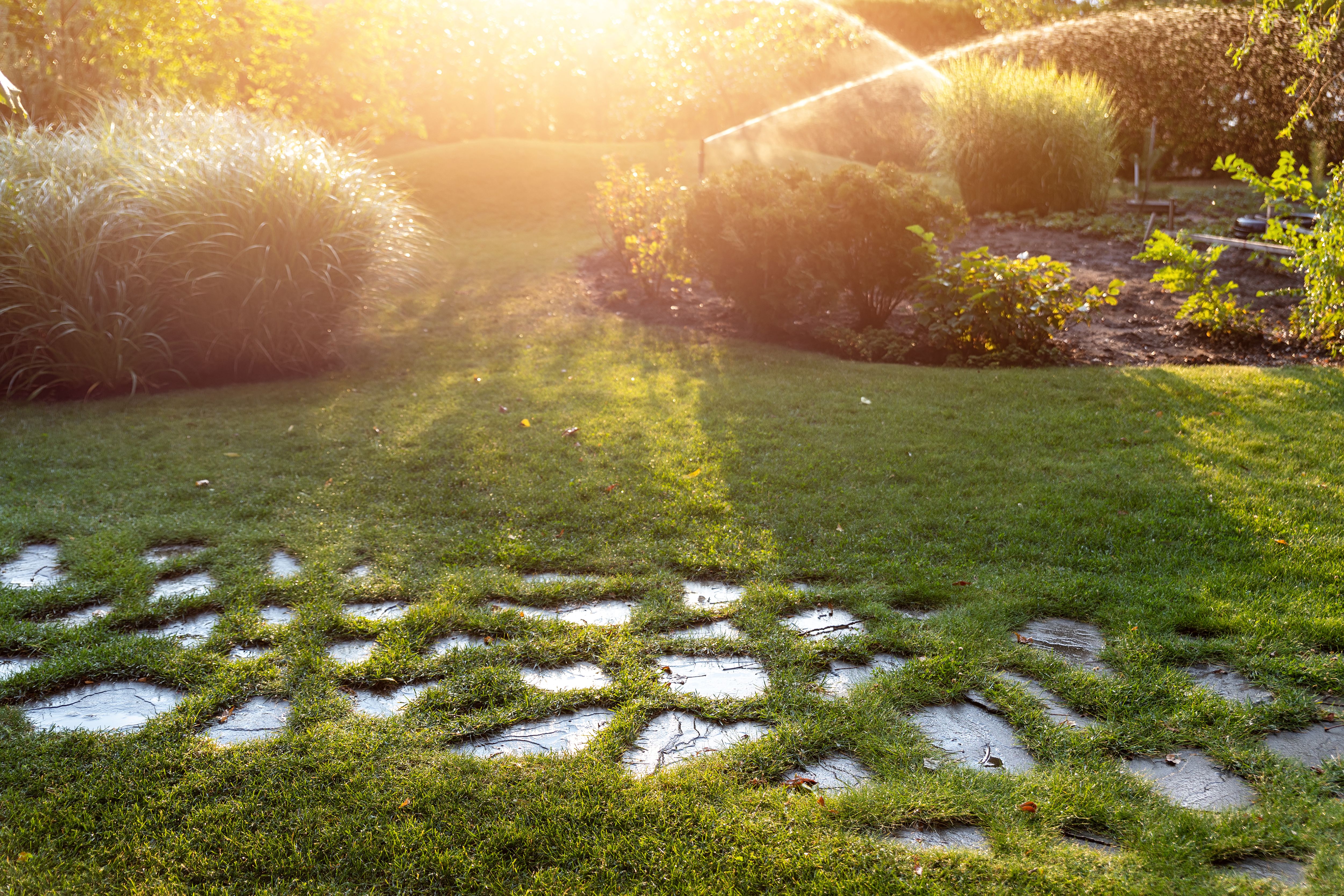
Smart irrigation controllers utilize advanced technology to optimize watering schedules based on weather conditions, soil moisture levels, and plant needs. These systems can significantly reduce water waste by adjusting irrigation patterns in real-time.
Features of Smart Controllers
- Weather-Based Adjustments: Automatically changes settings based on local weather data.
- Remote Access: Allows users to control the system from anywhere via smartphones.
- Customizable Schedules: Tailors watering to the specific needs of different plant zones.
Rainwater Harvesting Systems
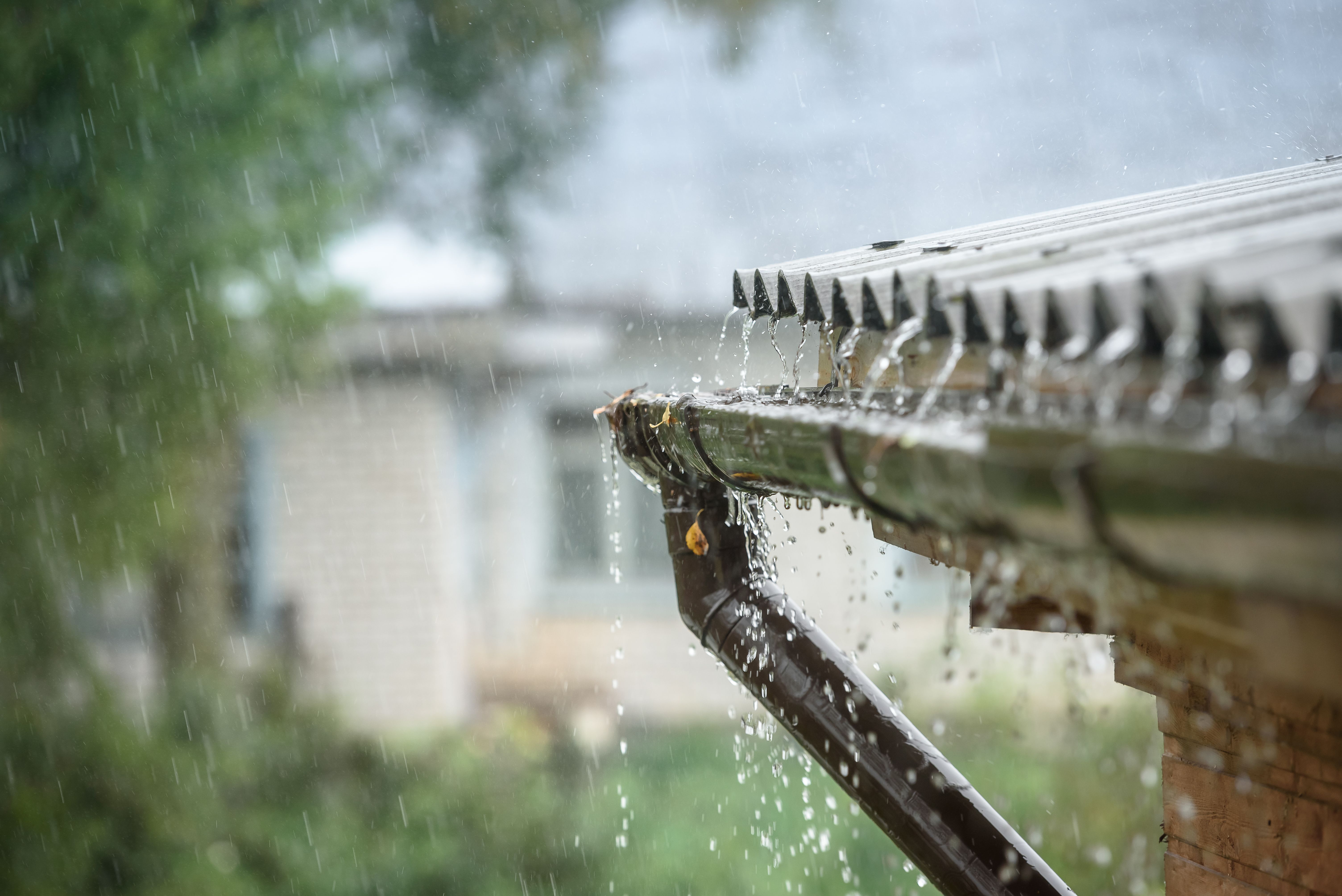
Rainwater harvesting involves collecting and storing rainwater for later use in irrigation. This method is particularly effective in areas with seasonal rainfall, allowing for a sustainable water supply during dry periods.
Advantages of Rainwater Harvesting
- Cost-Effective: Reduces dependency on municipal water supplies.
- Environmental Impact: Minimizes runoff and erosion.
- Resource Efficiency: Provides a renewable water source.
Conclusion
Implementing water-saving irrigation designs is essential for sustainable water management in drought-prone areas. By adopting systems like drip irrigation, smart controllers, and rainwater harvesting, we can conserve water, reduce costs, and support healthier plant growth. As climate change continues to impact global water resources, these innovative solutions will play a critical role in securing our agricultural and environmental future.