Top 5 Water-Saving Upgrades for Your Yard


Embrace Drip Irrigation
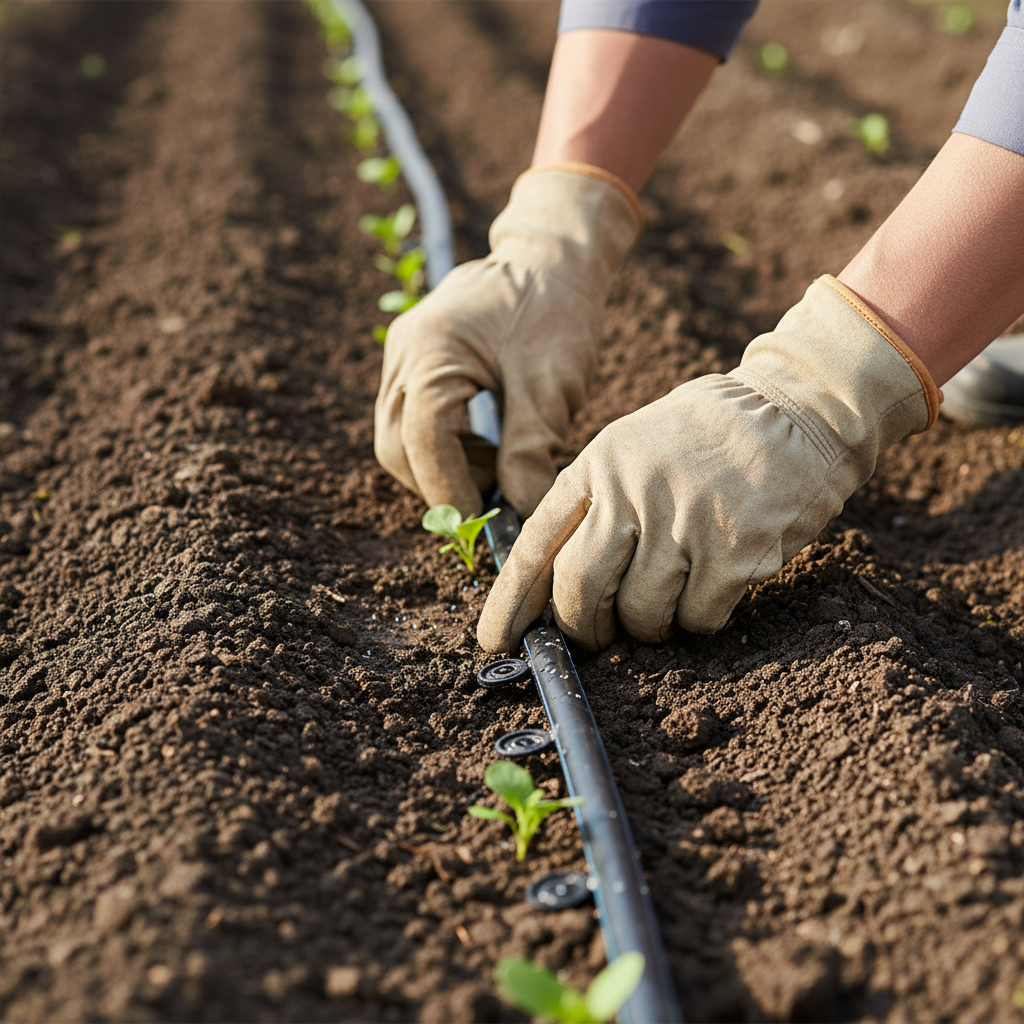
Drip irrigation is a highly efficient way to water your plants, delivering moisture directly to the root zone. Unlike traditional sprinklers, which can waste water through evaporation and runoff, drip systems ensure that water is used precisely where it's needed. This method can save up to 50% more water compared to conventional irrigation methods.
Installing a drip irrigation system can be a simple DIY project or professionally done, depending on your yard's complexity. Once set up, it requires minimal maintenance and can be automated to fit your watering schedule, providing convenience and conservation in one package.
Choose Native Plants
One of the easiest ways to save water in your yard is by selecting native plants. These plants are naturally adapted to the local climate and soil conditions, which means they require less water and maintenance than exotic varieties. Native plants are more resistant to local pests and diseases, reducing the need for chemical treatments.
Consider working with a local nursery or landscape designer to choose the right mix of native plants for your garden. This not only conserves water but also supports local biodiversity and creates a vibrant, sustainable ecosystem.
Install a Rainwater Harvesting System
Rainwater harvesting is an effective way to utilize natural resources and reduce your water bill. By collecting and storing rainwater from your roof, you can create a sustainable water source for your yard. Systems vary from simple rain barrels to more complex underground tanks.
Using harvested rainwater for irrigation can significantly decrease your reliance on municipal water supplies. It’s a great way to make your yard more eco-friendly while contributing to water conservation efforts.

Opt for Permeable Paving
Traditional concrete and asphalt surfaces can lead to water runoff and waste. Permeable paving, however, allows water to seep through and reach the soil beneath. This not only reduces runoff but also helps recharge groundwater and supports plant life.
Permeable materials include gravel, porous concrete, and specially designed pavers. Installing these can enhance the aesthetic appeal of your yard while promoting better water management.
Implement Mulching Techniques
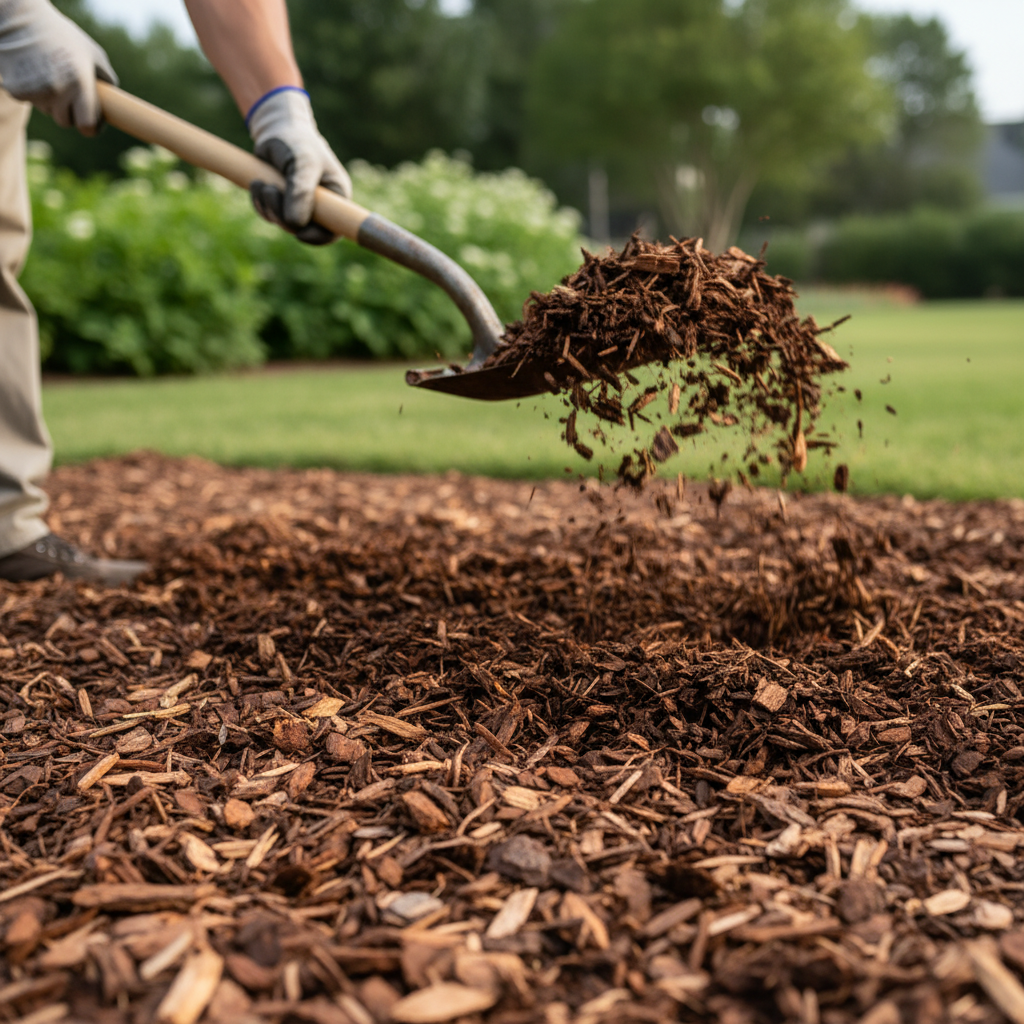
Mulching is a simple yet effective way to conserve water in your garden. By covering the soil with a layer of mulch, you reduce evaporation, keep the soil temperature stable, and suppress weed growth. This means your plants require less frequent watering.
Organic mulches like wood chips, straw, or leaves decompose over time, enriching the soil and enhancing its ability to retain moisture. Applying mulch around your plants is a low-cost way to improve water efficiency and soil health.
By implementing these water-saving upgrades, you can create a more sustainable and eco-friendly yard. Not only will these practices help conserve a precious resource, but they can also lead to a healthier, more vibrant garden. Begin with one or two upgrades, and soon you'll see the benefits both in your yard and your water bill.