Seasonal Lawn Care Guide: Prepare Your Yard for Every Season


Spring: Revitalize Your Lawn
As the snow melts and temperatures rise, it's time to breathe new life into your lawn. Start by clearing away debris such as leaves and twigs that have accumulated over the winter. This will allow sunlight and air to reach the grass, promoting healthy growth.
Next, consider aerating your lawn. Aeration reduces soil compaction and improves water absorption, helping roots grow deeper. Spring is also the perfect time to apply a balanced fertilizer to give your lawn the nutrients it needs for the growing season.

Addressing Weeds
Spring is also the time to tackle those pesky weeds before they become a problem. Apply a pre-emergent herbicide to prevent weeds from taking root. This proactive approach will save you time and effort later in the season.
Summer: Maintain and Protect
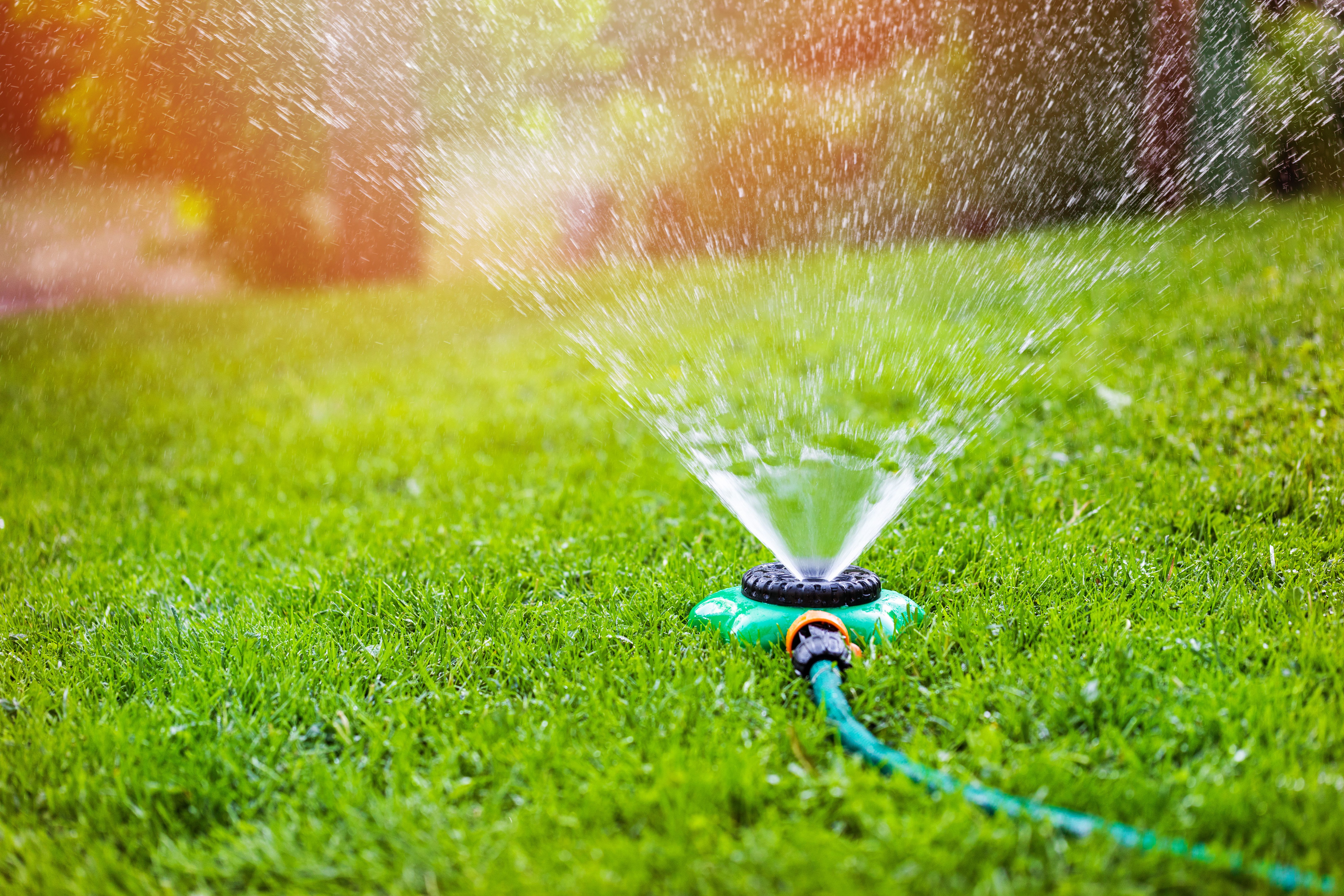
Summer brings heat and potential drought, so maintaining your lawn requires a strategic approach. Watering your lawn deeply and less frequently encourages roots to grow deeper, making your grass more resilient to heat.
Mowing should be done regularly, but avoid cutting the grass too short. Taller grass provides shade to the soil, reducing evaporation and keeping your lawn lush. Aim to keep your grass at about three inches tall.
Pest Control
Summer is also the season when pests are most active. Keep an eye out for signs of insects or disease. If needed, use organic pest control methods to protect your lawn without harming the environment.
Fall: Prepare for Winter
Fall is the time to prepare your lawn for the cold months ahead. Begin by continuing to mow and water your lawn as needed, but gradually reduce the frequency. This helps your grass store energy for the winter.
Consider overseeding to fill in bare patches and thicken your lawn. This will give it a head start when spring arrives. Fall is also the ideal time to apply a slow-release fertilizer to nourish your lawn through the winter.
Leaf Management
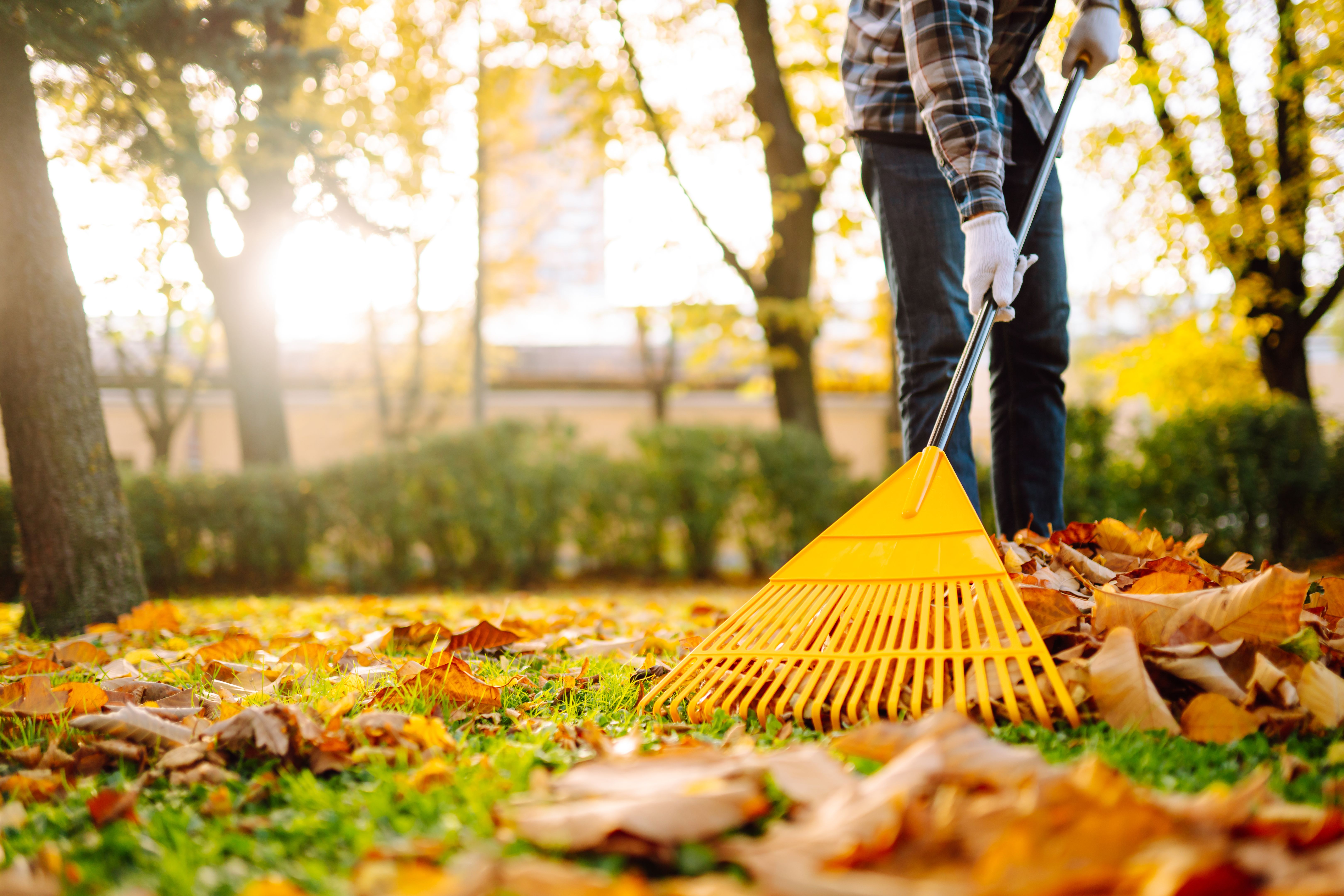
Fallen leaves can smother your lawn if left unchecked. Either rake them up or use a mulching mower to chop them into small pieces. This not only prevents damage but also adds organic matter back into the soil.
Winter: Minimal Maintenance
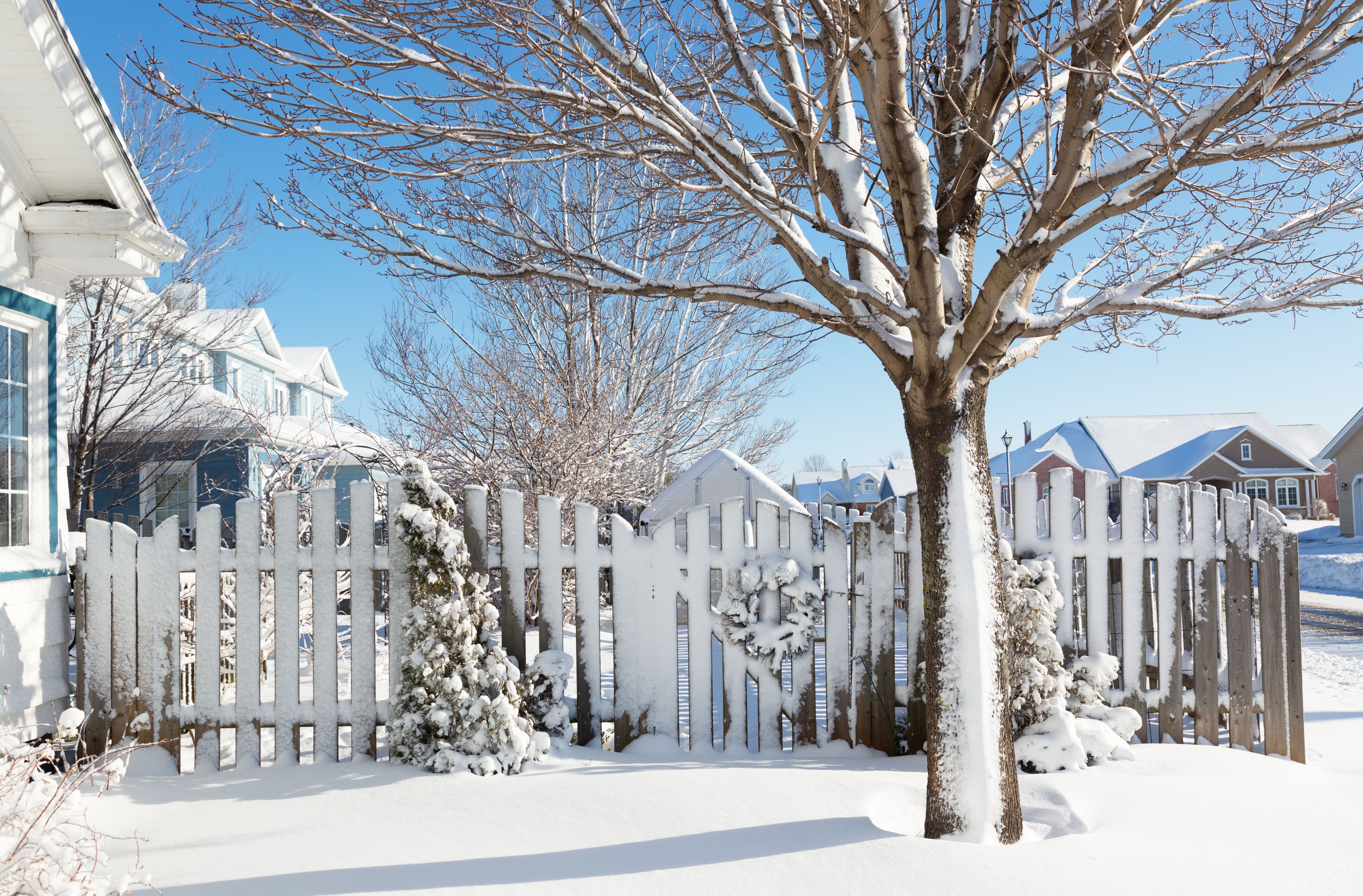
During winter, your lawn needs minimal intervention. Avoid walking on frozen grass, as this can damage the turf. If you experience snow, allow it to act as an insulator for your lawn.
Ensure your lawn's drainage is effective to prevent waterlogging from melting snow. This will help avoid issues like mold and disease.
Equipment Care
Take this time to service your lawn care equipment. Sharpen mower blades and check all tools to ensure they're ready for spring. Proper maintenance now will save you time and hassle when the growing season returns.
By following these seasonal tips, you can maintain a beautiful and healthy lawn all year round. Tailoring your care routine to each season's unique challenges ensures that your yard remains vibrant and resilient.