Myths About Lawn Care Debunked: What Really Works


Understanding Lawn Care Myths
Maintaining a lush, green lawn is a goal for many homeowners, but the path to achieving it can be clouded by myths and misconceptions. Some of these myths might lead you to waste time and resources. In this post, we'll debunk some common lawn care myths and guide you toward what really works.
Myth 1: Frequent Watering is Essential
One of the most persistent myths is that lawns need daily watering. In reality, deep and infrequent watering is more beneficial. Overwatering can lead to shallow root systems and increase the risk of disease. Aim for about 1 to 1.5 inches of water per week, including rainfall.
Water early in the morning to minimize evaporation and fungal growth. This approach allows roots to grow deeper and makes your lawn more drought-tolerant.
Myth 2: Cutting Grass Short is Better
Many believe that cutting grass very short means mowing less often. However, short grass can stress your lawn and make it susceptible to weeds, pests, and diseases. It's best to follow the one-third rule: never cut more than one-third of the grass height at a time.

Myth 3: Fertilizer is a Cure-All
Fertilizer is often seen as the magic solution for all lawn problems. While it can help, using the wrong type or applying it at the wrong time can harm your lawn. Conduct a soil test to determine what nutrients your lawn truly needs before applying fertilizer.
Remember, more is not always better. Over-fertilizing can lead to nutrient runoff, harming local waterways and aquatic life.
Myth 4: All Weeds Need Chemical Treatment
Not all weeds require chemical intervention. Many can be managed with proper lawn care practices, such as maintaining healthy grass, which naturally suppresses weed growth. Hand-pulling and natural remedies can also be effective for small infestations.

Myth 5: Aeration is Unnecessary
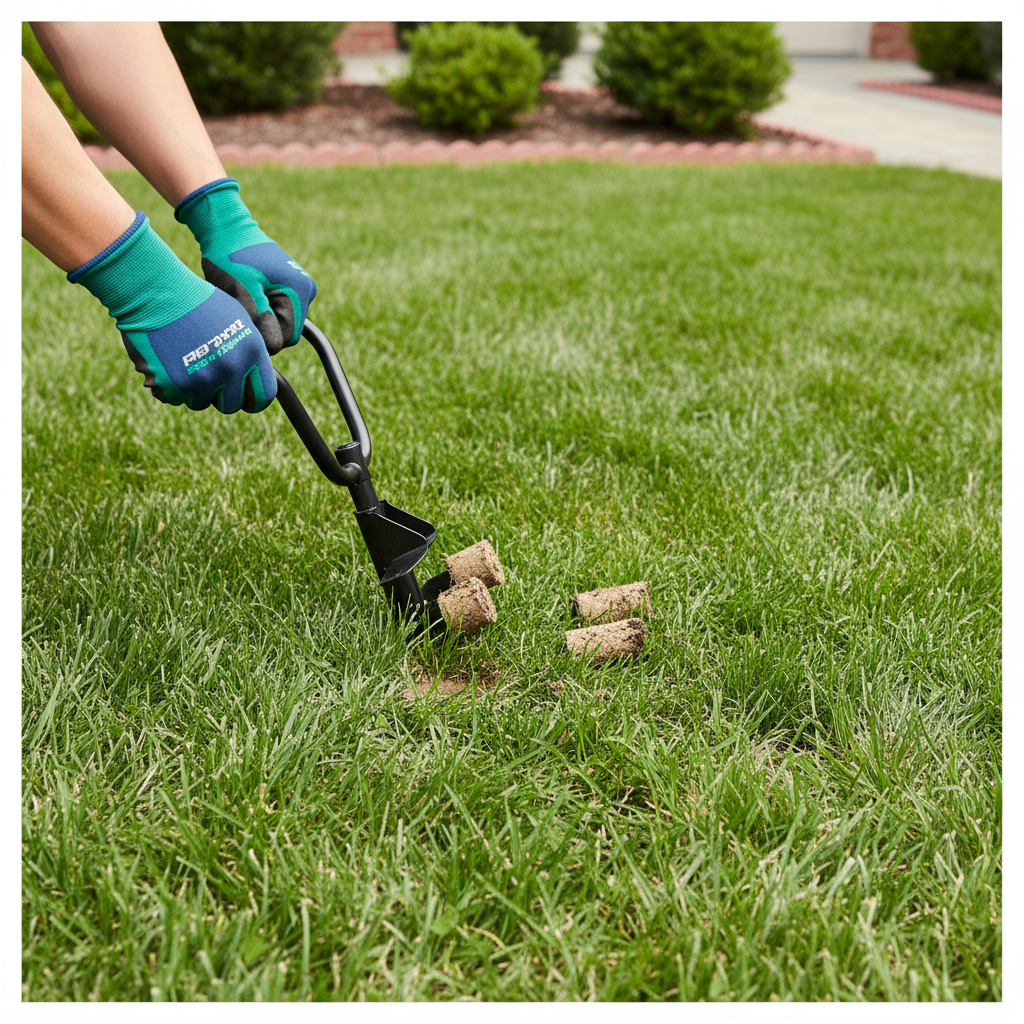
Some homeowners skip aeration entirely, believing it's unnecessary. However, aeration is crucial for loosening compacted soil, improving root growth, and enhancing nutrient absorption. Consider aerating your lawn once a year, preferably in the fall.
Conclusion: Effective Lawn Care Practices
By understanding and debunking these common myths, you can focus on lawn care practices that truly enhance your lawn's health. Remember, a well-maintained lawn doesn't just look good; it also supports the local ecosystem. Implement these strategies, and you'll be well on your way to achieving the lawn of your dreams.