How to Save Water with Drought-Smart Irrigation Systems


Understanding Drought-Smart Irrigation Systems
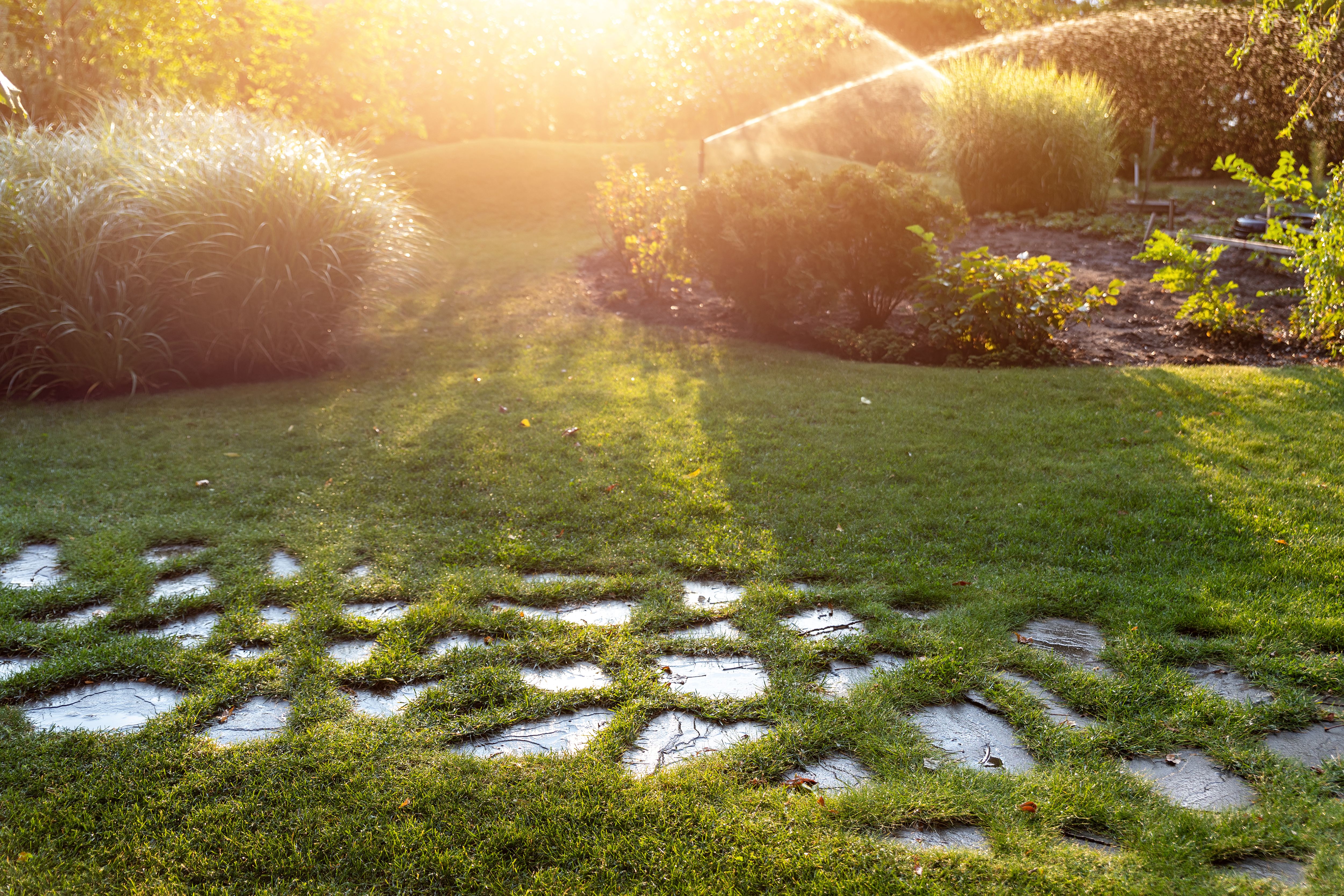
As climate change continues to pose challenges, efficient water management becomes crucial, especially in drought-prone areas. Drought-smart irrigation systems are designed to optimize water usage, ensuring that landscapes remain lush without wasting valuable resources.
Drought-smart systems utilize advanced technology to monitor soil moisture levels, weather conditions, and plant needs. By doing so, they deliver the right amount of water at the right time, minimizing waste and promoting sustainable practices.
Benefits of Drought-Smart Irrigation
One of the primary benefits of these systems is water conservation. By accurately assessing the needs of plants, they prevent overwatering and reduce water bills. Additionally, they help maintain healthy landscapes, which can enhance property value and aesthetics.
Moreover, drought-smart systems can contribute to environmental preservation by reducing runoff and soil erosion. This not only protects local ecosystems but also supports biodiversity by maintaining habitats for various species.
Features of Modern Irrigation Systems
Modern drought-smart irrigation systems often include features such as:
- Smart Controllers: These devices automatically adjust watering schedules based on weather data and soil moisture levels.
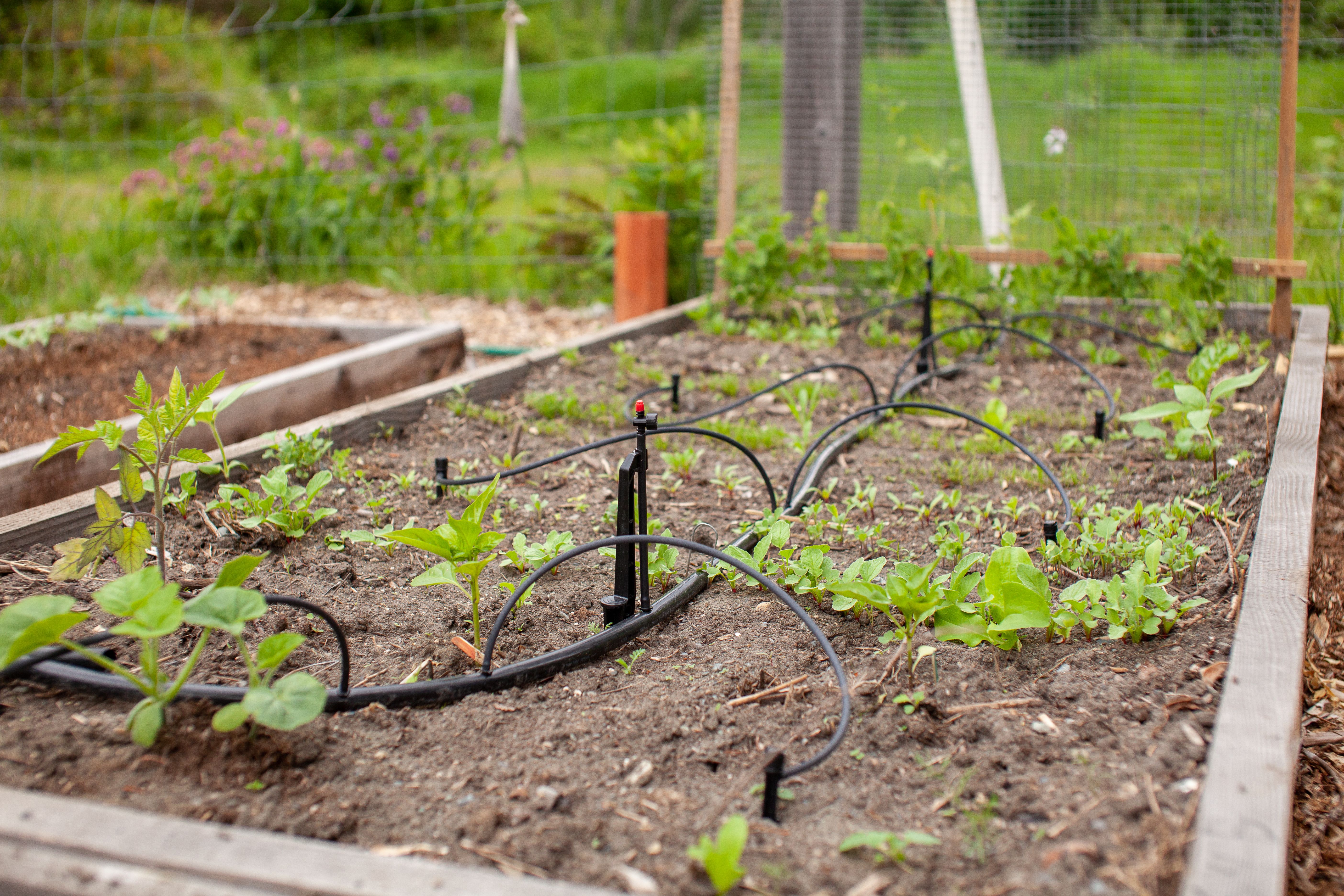
- Drip Irrigation: Delivers water directly to the plant roots, minimizing evaporation and runoff.
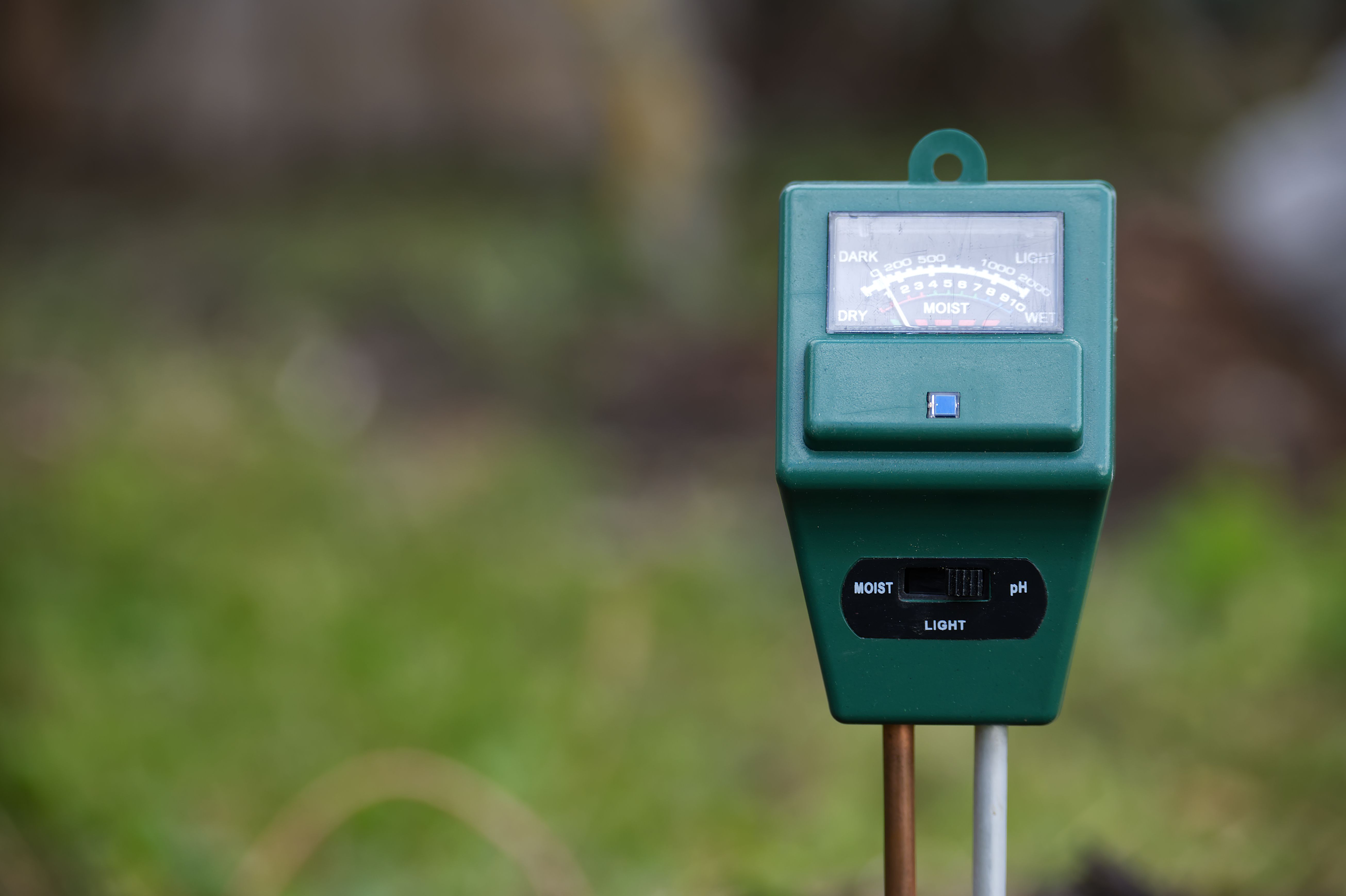
- Soil Moisture Sensors: Monitor the moisture content in the soil to ensure optimal watering.
Smart Controllers
Smart controllers are the brain of the irrigation system. They connect to weather services to gather real-time data, adjusting watering schedules accordingly. This means if rain is forecasted, the system will reduce or skip watering to prevent unnecessary use.
Drip Irrigation Systems
Drip irrigation systems are particularly effective in conserving water. By delivering water directly to the roots, they ensure that plants receive the necessary hydration without wastage. This method is ideal for gardens, flower beds, and agricultural applications.
Implementing a Drought-Smart System
Installing a drought-smart irrigation system requires an initial investment, but the long-term savings and environmental benefits outweigh the costs. Consider hiring a professional to assess your landscape and recommend the best system for your needs.
For those who prefer a DIY approach, many systems come with detailed installation instructions and support. Ensure you understand local water regulations and seek advice if needed to comply with guidelines.
Conclusion
Drought-smart irrigation systems offer an effective solution for water conservation in drought-affected regions. By incorporating technology and precision into watering practices, these systems help protect valuable water resources while maintaining vibrant landscapes.
Embracing these systems not only benefits individual property owners but also contributes to broader environmental efforts. With ongoing advancements in technology, drought-smart irrigation will continue to play a crucial role in sustainable water management.