How to Prepare Your Lawn for Winter: Essential Tips


Understanding Your Lawn's Needs
As the winter months approach, it’s crucial to give your lawn the care it needs to survive the cold. Proper preparation ensures a lush, green lawn come spring. Understanding the specific requirements of your grass type is the first step in winterizing your lawn effectively.

Raking and Cleaning
One of the most important tasks is to keep your lawn free of debris. Regularly raking leaves and removing branches prevents the growth of mold and pests. A clean lawn allows sunlight and nutrients to reach the grass, keeping it healthy throughout winter.
Tools You’ll Need
Invest in a sturdy rake and consider using a leaf blower for larger areas. These tools will make the process quicker and more efficient. Remember, a clean lawn is a healthy lawn!
Proper Mowing Techniques
Adjust your mowing height during the fall to help your lawn prepare for winter. Gradually lower the height of your mower blades, but avoid cutting the grass too short. This approach helps the grass to store energy for the dormant season.

When to Stop Mowing
Continue mowing until the grass stops growing, which usually happens after the first frost. This ensures that your lawn remains tidy and ready for winter.
Aeration and Overseeding
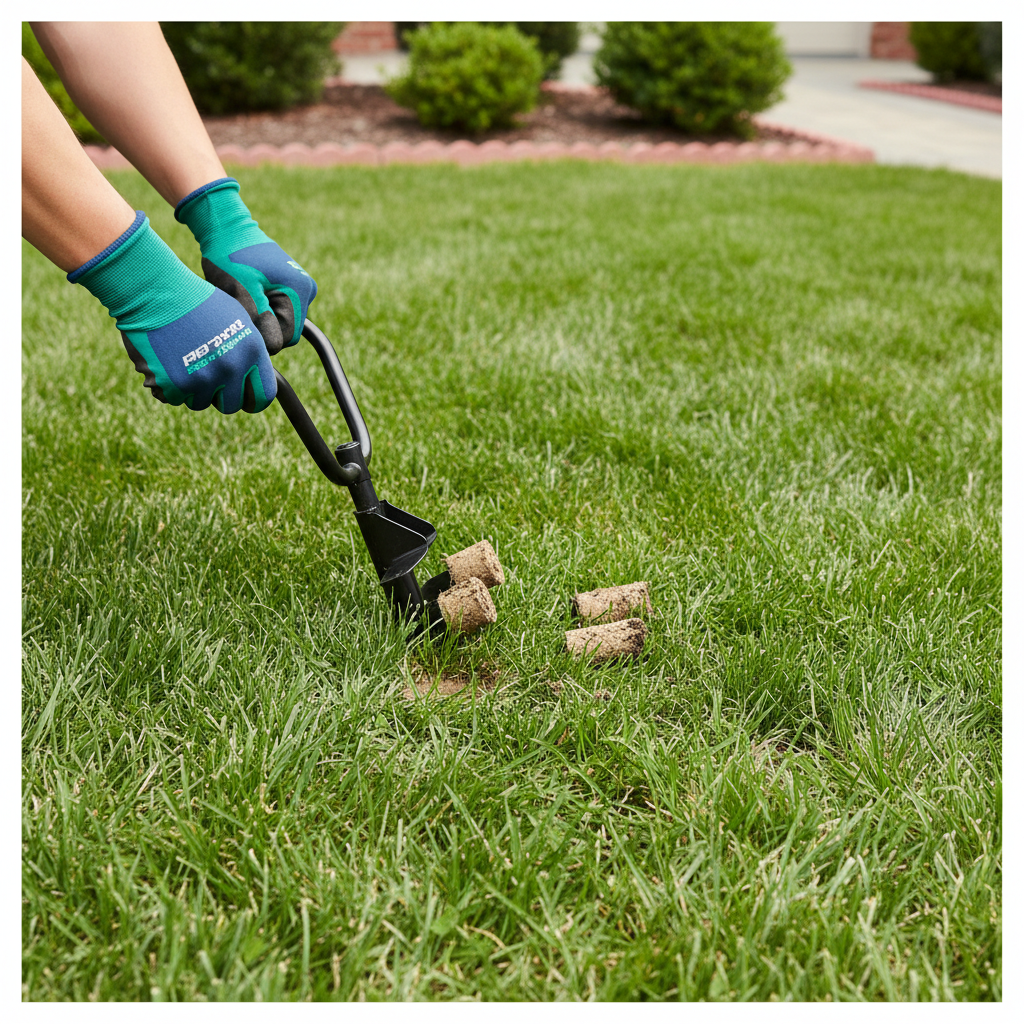
Aeration helps to relieve soil compaction, allowing water and nutrients to penetrate the roots more effectively. This process is best done in the fall. Follow aeration with overseeding to fill in any bare spots, ensuring a thick and healthy lawn.
Choosing the Right Seed
Select a seed blend that is suitable for your climate and existing grass type. This will give your lawn the resilience it needs to withstand the winter months.
Fertilizing for Winter
Applying a high-potassium fertilizer in late fall can help strengthen your lawn’s root system. This essential nutrient boosts the grass's ability to withstand harsh winter conditions.
Timing and Application
Make sure to apply the fertilizer before the ground freezes. Follow the manufacturer’s instructions for the best results and even coverage.
Watering Wisely
Although the cooler temperatures reduce the need for frequent watering, do not let your lawn become completely dry before winter. Ensure it receives adequate moisture before the ground freezes.
Monitoring Moisture Levels
Check the soil moisture regularly and water as needed. A well-hydrated lawn is more likely to survive the winter and thrive in spring.