How to Prepare Your Garden for Central Valley's Seasons


Understanding the Central Valley Climate
The Central Valley of California is known for its distinct seasonal changes. To keep your garden thriving year-round, it's crucial to understand these shifts. Summers are hot and dry, while winters are mild and wet. Knowing this, you can plan your garden activities accordingly.
One of the first steps in preparing your garden for these seasons is to select plants that can withstand these conditions. Opt for drought-tolerant plants for summer and ensure you have a robust drainage system to handle winter rains.
Prepping Your Garden for Spring
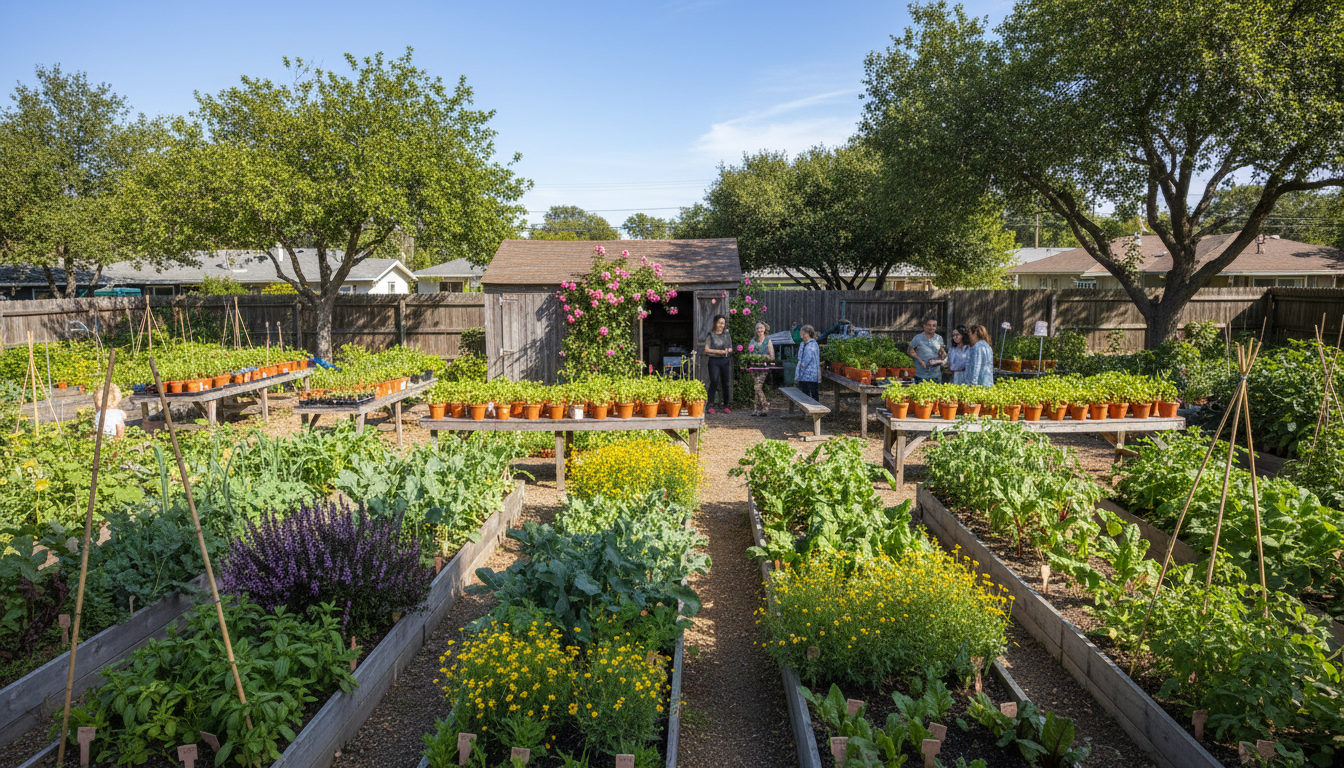
Spring is a time of growth and renewal. Start by cleaning up your garden. Remove dead leaves, weeds, and debris that have accumulated over the winter. This not only improves the appearance but also reduces the risk of pests and diseases.
Next, enrich your soil with compost or organic matter to provide your plants with the nutrients they need. Spring is also a great time to plant cool-season vegetables like lettuce, spinach, and broccoli.
Planting Tips for Spring
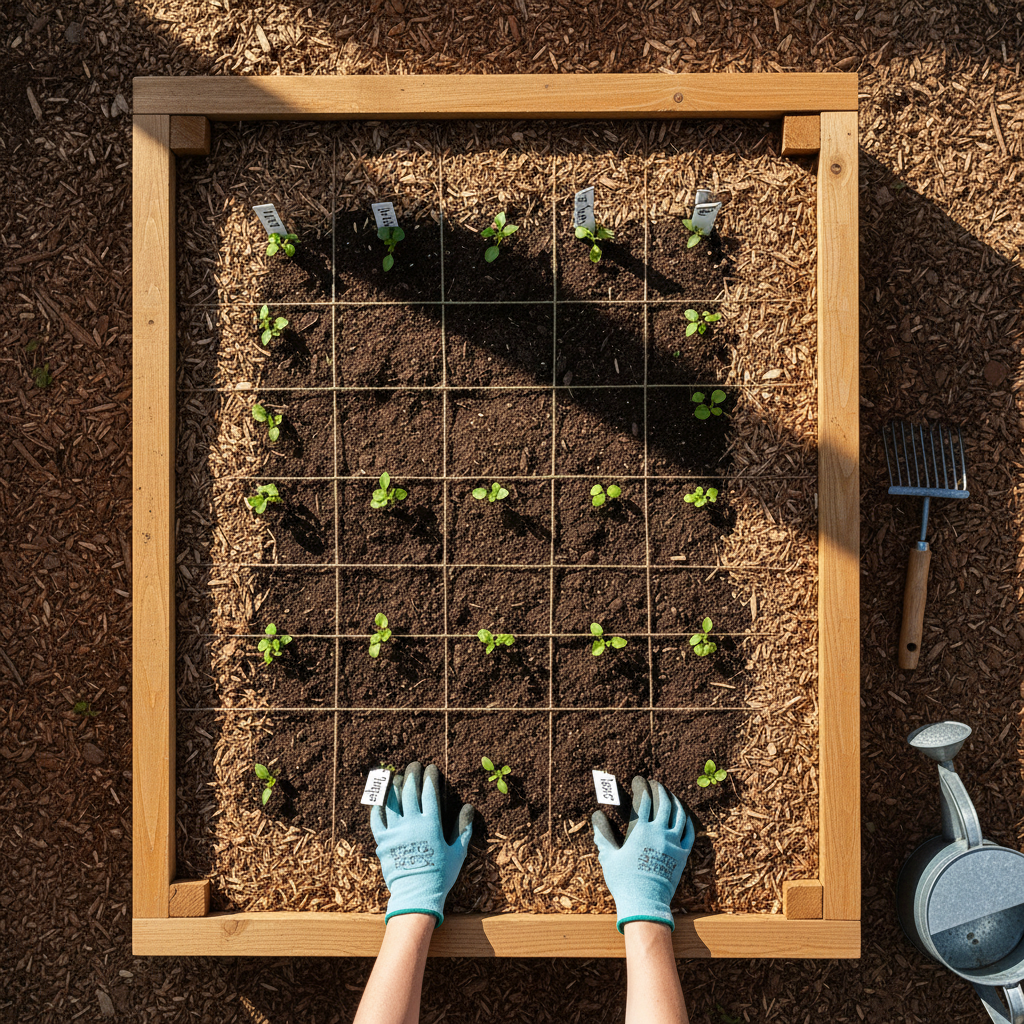
When planting in spring, make sure to space your plants properly to ensure they have enough room to grow. Water them deeply but infrequently to encourage strong root development. Consider using mulch to retain soil moisture and suppress weeds.
Summer Care Strategies
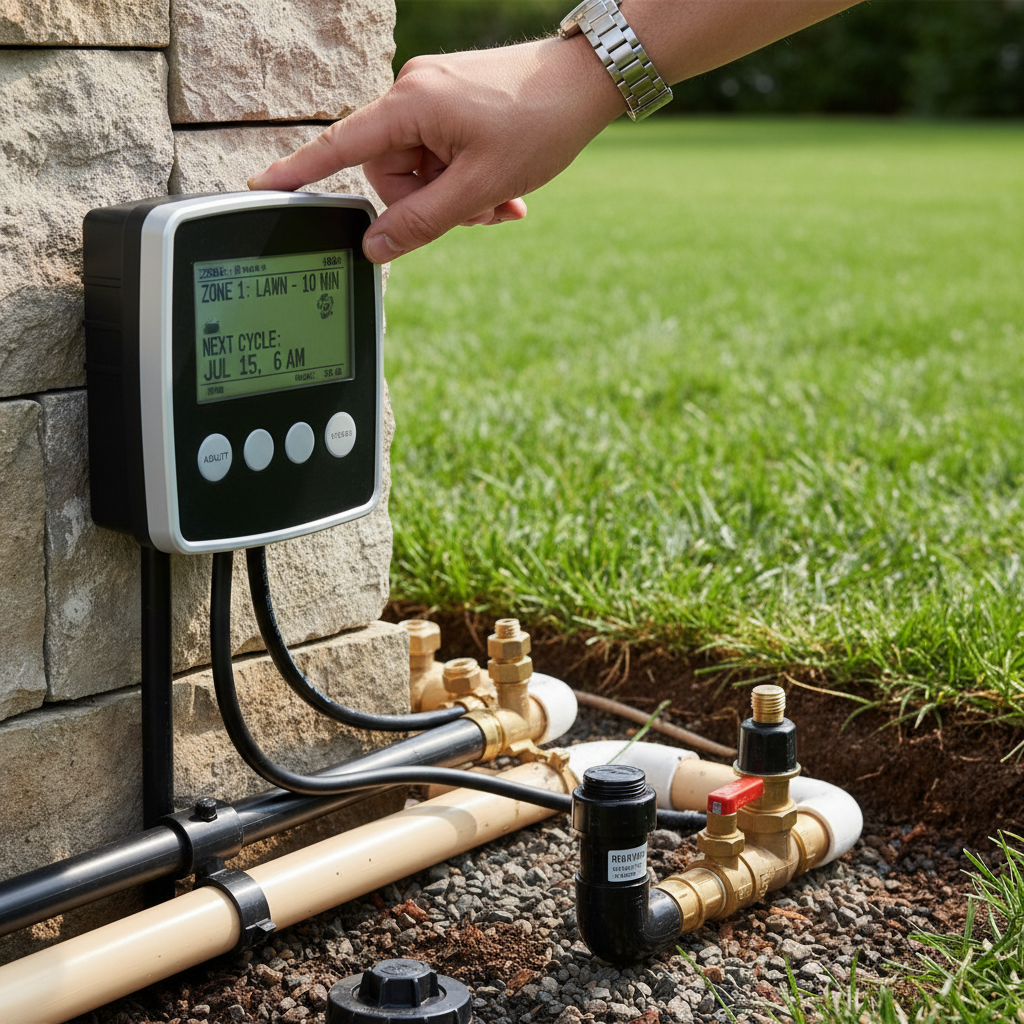
The hot, dry summers of the Central Valley require special attention. Mulching is your best friend during this season; it helps in retaining moisture and keeping the soil cool. Ensure your irrigation system is in top shape to provide consistent watering.
Consider planting heat-tolerant vegetables like tomatoes, peppers, and squash. These thrive in the summer heat and can produce a bountiful harvest with the right care.
Watering Wisely
Water your garden early in the morning or late in the afternoon to minimize evaporation. Drip irrigation systems can be a great investment, providing efficient water delivery directly to the plant roots.
Preparing for Fall
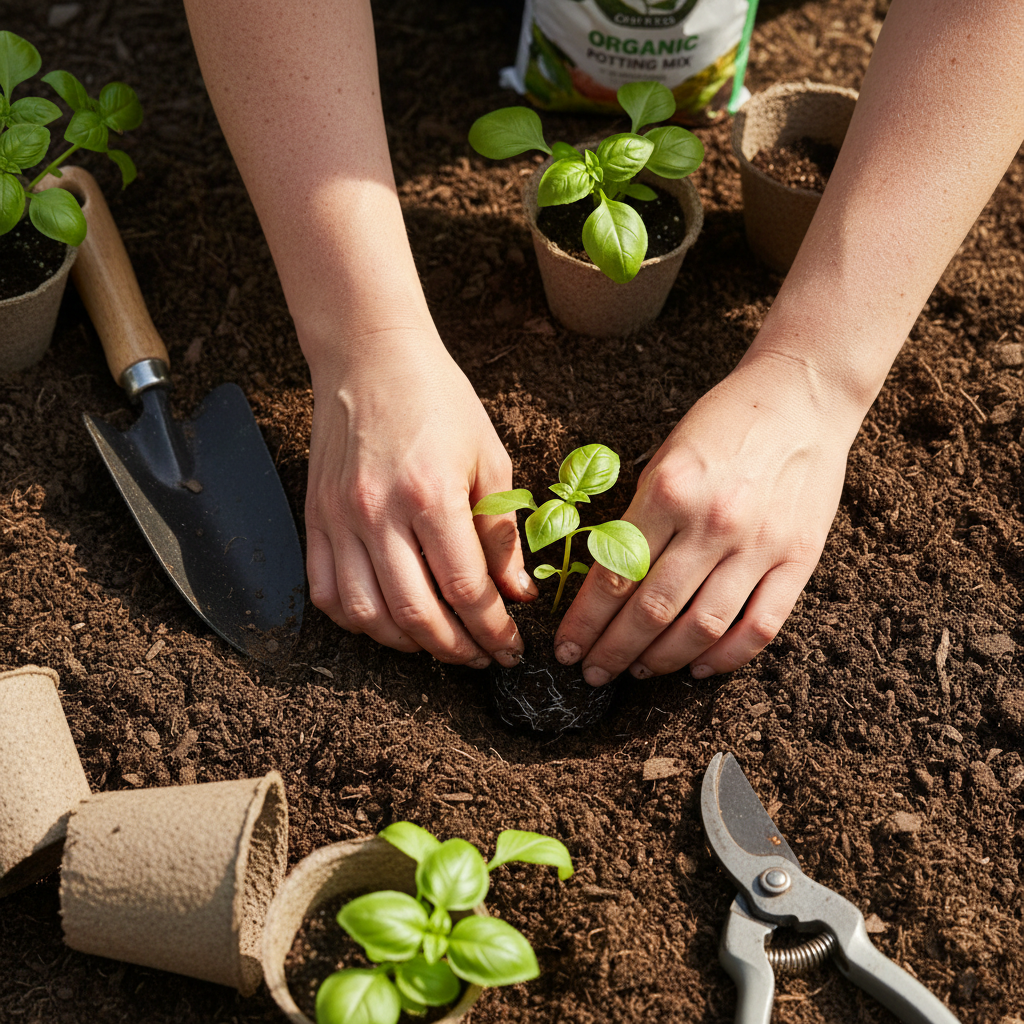
As temperatures begin to drop, it's time to prepare your garden for the cooler months. Start by harvesting any remaining summer crops and clearing out spent plants. This is also an excellent time to plant fall vegetables like carrots, radishes, and kale.
Fall is a good opportunity to divide perennials and plant bulbs for spring blooms. Cover crops like clover or vetch can be planted to improve soil fertility over the winter.
Protecting Your Plants
Use row covers or cloches to protect young plants from early frosts. Regularly check for pests and diseases, as cooler temperatures can bring about different challenges.
Winterizing Your Garden
Winter in the Central Valley is mild but can still impact your garden. Focus on protecting the soil and any perennials. Add a thick layer of mulch to protect roots and maintain soil health.
Consider pruning deciduous trees and shrubs during their dormant period. This encourages healthy growth in the spring and helps maintain their shape.
Planning for Next Year
Use the winter months to plan for the upcoming gardening year. Review what worked well and what didn’t in the past seasons. Consider sketching out a garden plan and ordering seeds early.
