How to Maintain a Healthy Lawn All Year Round


Understanding Your Lawn’s Needs
Maintaining a healthy lawn throughout the year requires understanding the unique needs of your grass. Different grass types thrive in different climates, so identifying your grass type is crucial. Cool-season grasses like fescue and bluegrass prefer cooler temperatures, while warm-season grasses such as Bermuda and Zoysia flourish in hotter climates. Knowing this helps tailor your care routine effectively.
Soil health is another critical factor. Conducting a soil test can provide insights into pH levels and nutrient deficiencies, guiding you in amending the soil as needed. Healthy soil is the foundation of a vibrant lawn.

Seasonal Lawn Care Tips
Spring
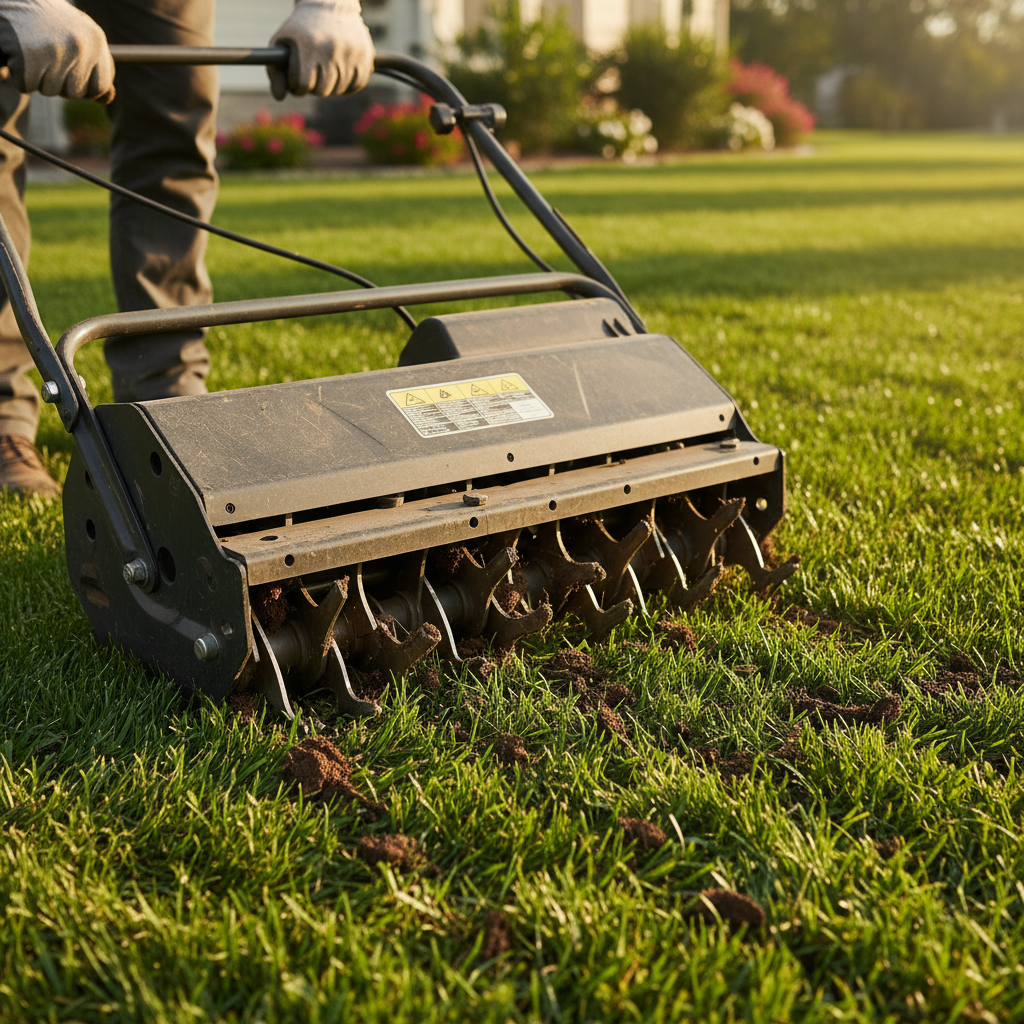
Spring is a time of renewal, and your lawn is ready to wake up from winter dormancy. Start by clearing debris and performing aeration, which helps to alleviate soil compaction and allows the roots to access essential nutrients. Fertilizing in early spring with a balanced mix can encourage strong growth.
Summer
Summer can be challenging due to heat and drought. Water deeply but infrequently to encourage deep root growth. Aim for about an inch of water per week, ideally in the early morning to reduce evaporation. Mowing should be done at a higher setting to provide shade for the soil and reduce stress on the grass.

Fall and Winter Strategies
Fall
Fall is the perfect season to prepare your lawn for winter. Overseeding can fill in bare spots, while applying a slow-release fertilizer helps strengthen the grass roots. Raking leaves is essential to prevent suffocation and fungal diseases.
Winter
Winter care involves minimal intervention. Avoid walking on frosty grass to prevent damage. If snow covers your lawn, it acts as an insulating blanket, protecting the grass beneath. Planning for early spring care during winter will give you a head start when the season changes.
Common Lawn Problems and Solutions
Despite your best efforts, lawns can still face issues like pests, weeds, and diseases. Identifying the problem early is key. Using natural pest control methods and organic weed suppressants can keep your lawn healthy without harmful chemicals.
If you encounter brown patches or fungal diseases, consider improving drainage and airflow. Regularly inspecting your lawn ensures that any issues are tackled promptly.
- Use organic fertilizers to boost soil health.
- Rotate mowing patterns to reduce soil compaction.
- Consider integrating native plants for biodiversity.
Conclusion
A beautiful lawn is achievable with consistent care and attention to detail. By understanding the specific needs of your grass type and adapting your maintenance routine to the seasons, you can enjoy a lush, green lawn all year round. Remember, the key to success lies in regular monitoring and timely interventions.