Expert Tips on Irrigation Installation for Drought-Prone Areas


Understanding the Importance of Efficient Irrigation
In drought-prone areas, efficient irrigation is crucial for maintaining healthy landscapes and sustainable agriculture. With water resources becoming increasingly scarce, adopting smart irrigation practices can make a significant difference. Proper irrigation ensures plants receive the right amount of water without waste.
Drought conditions demand innovative solutions to conserve water while maintaining productivity. Whether you're a homeowner or a farmer, understanding the nuances of irrigation installation is essential.
Choosing the Right Irrigation System
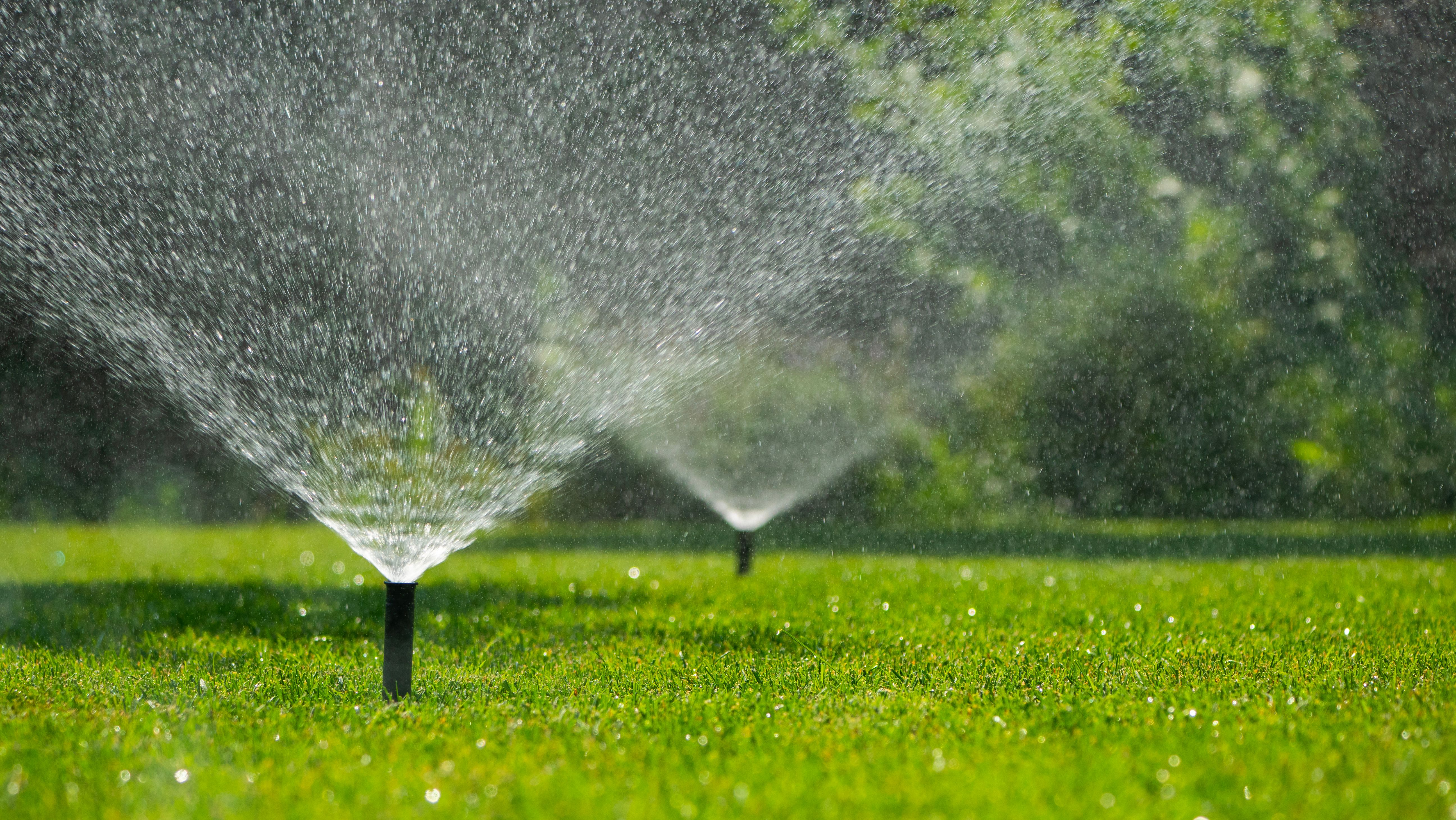
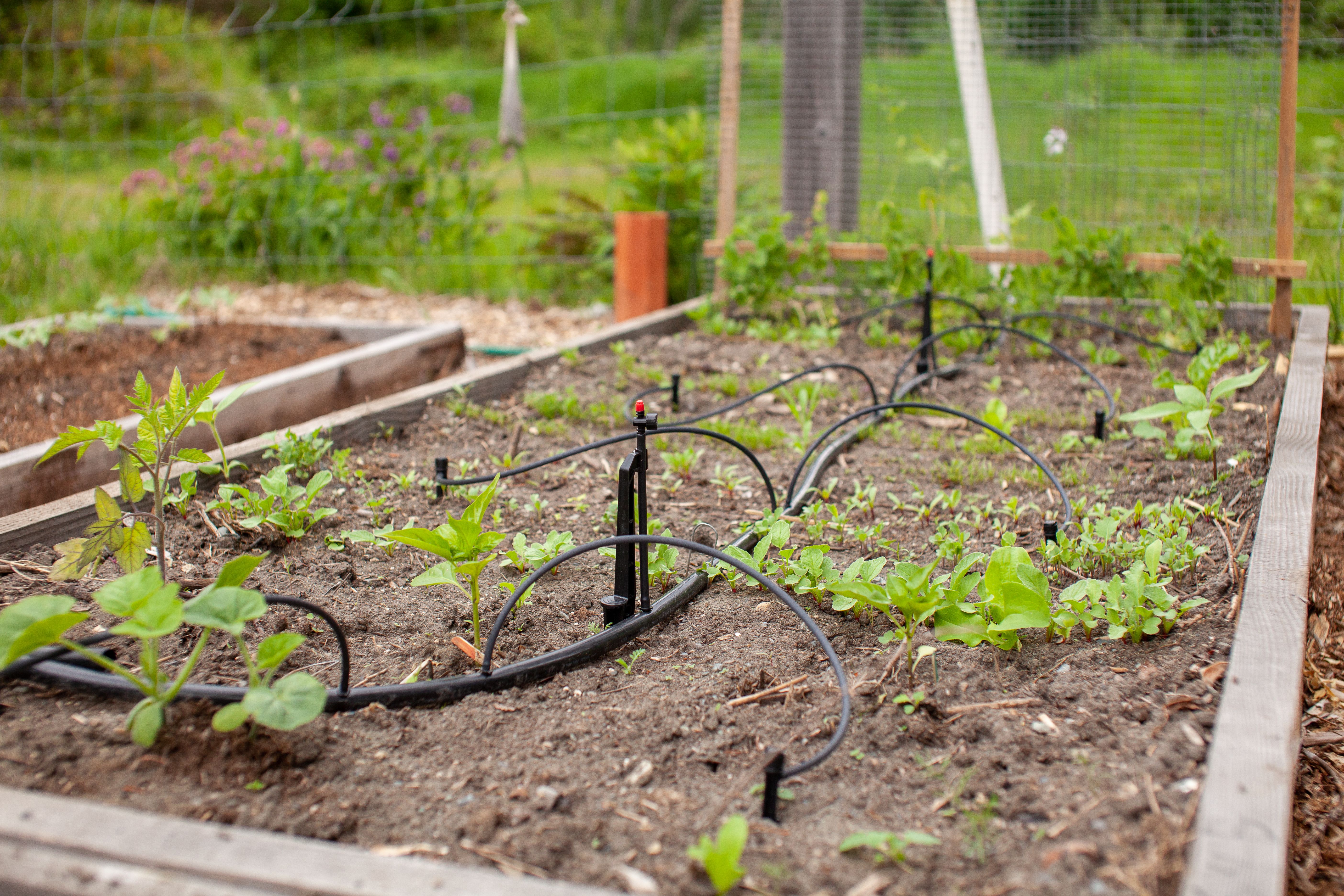
Selecting the right irrigation system is the first step toward water conservation. Drip irrigation and soaker hoses are particularly effective in arid regions. These systems deliver water directly to the plant roots, minimizing evaporation and runoff.
Sprinkler systems, while popular, may not be as efficient in drought-prone areas due to water loss through evaporation. Consider systems that allow for precise water application to ensure maximum efficiency.
Factors to Consider
When choosing an irrigation system, consider factors such as soil type, landscape design, and plant types. These elements will influence the system's efficiency and effectiveness. Understanding your specific needs will help you make an informed decision.
- Soil Type: Sandy soils drain quickly and may require more frequent watering.
- Plant Types: Native plants often require less water.
- Climate: Local climate conditions will dictate watering schedules and system choice.
Installation Tips for Optimal Performance
Proper installation is key to maximizing the benefits of your irrigation system. Begin by planning the layout carefully, ensuring that all areas receive adequate coverage. Avoid overwatering by installing rain sensors and moisture meters to adjust watering schedules based on real-time conditions.
Regular Maintenance
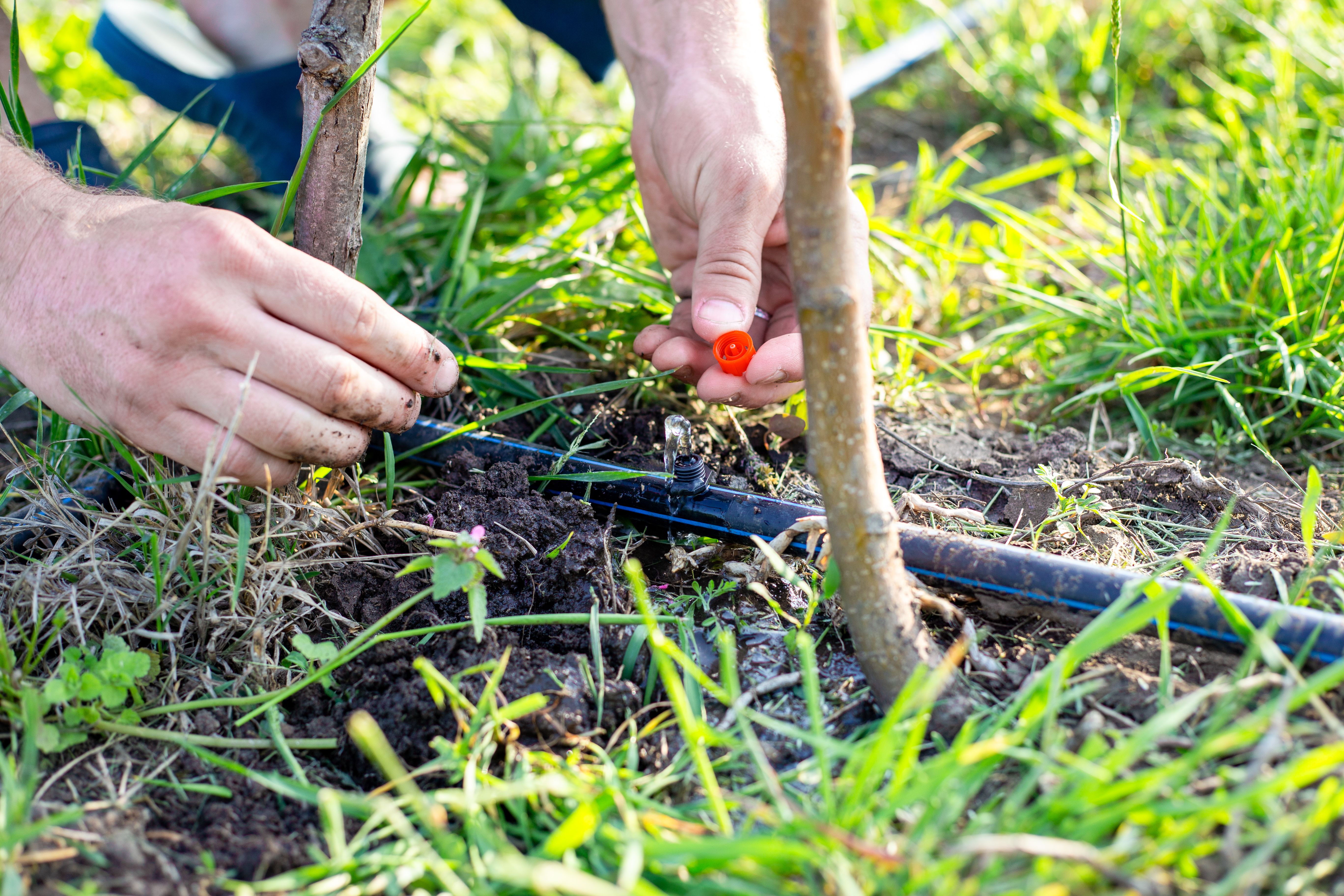
Regular maintenance ensures your system operates efficiently. Check for leaks, clogs, and wear and tear regularly. Replace damaged components promptly to prevent water waste.
- Inspect regularly: Look for leaks and clogs.
- Adjust seasonally: Change watering schedules based on the season.
- Clean filters: Ensure water flows freely by keeping filters clean.
Leveraging Technology for Better Water Management
Technological advancements have made it easier to manage irrigation systems effectively. Smart controllers can adjust watering schedules based on weather forecasts, ensuring optimal water usage. Mobile apps allow for remote monitoring and adjustments, providing convenience and control at your fingertips.
By integrating technology, you can make informed decisions about water usage, helping to conserve resources and maintain healthy landscapes even in challenging conditions.

In conclusion, effective irrigation installation in drought-prone areas requires careful planning, the right system choice, and ongoing maintenance. By leveraging technology and innovative practices, you can ensure water conservation while supporting the health of your plants and crops.