Expert Tips for Maintaining a Lush Lawn Year-Round


Understanding Your Lawn's Needs
Maintaining a lush lawn year-round requires understanding the specific needs of your grass. Different grass types thrive in various climates and conditions. It's essential to know what species you have and tailor your care routine accordingly. Consider factors such as sunlight, soil type, and local weather patterns.
Seasonal adjustments play a significant role in lawn care. For instance, warm-season grasses flourish in summer, while cool-season grasses prefer cooler months. Adjusting your care tactics based on the season ensures your lawn remains healthy and vibrant.
Watering Wisely
Proper watering is crucial for maintaining a lush lawn. Overwatering can lead to fungal diseases, while underwatering stresses the grass. Aim to water deeply but infrequently to encourage deep root growth. Early morning is the best time to water, reducing evaporation and allowing the grass to dry throughout the day.
Invest in a rain gauge or a smart irrigation system to monitor how much water your lawn receives. This ensures you're not over or under-watering, maintaining the ideal moisture level for healthy growth.
Regular Mowing Practices
Mowing regularly is vital for a neat, healthy lawn. Keep your mower blades sharp to avoid tearing the grass, which can lead to disease. The one-third rule is a good guideline: never cut more than one-third of the grass height at a time. This practice prevents stress and encourages robust growth.

Adjust the mowing height according to the season. In summer, slightly taller grass can provide shade to the soil, retaining moisture and reducing heat stress. In cooler months, a shorter cut can help the grass absorb more sunlight.
Fertilizing for Growth
Fertilizing your lawn provides essential nutrients that promote growth and color. Choose a fertilizer that matches your grass type and local soil conditions. A slow-release fertilizer is often best, as it provides a steady supply of nutrients over time.
- Spring: Apply a balanced fertilizer to encourage growth.
- Summer: Use a fertilizer with higher potassium for stress resistance.
- Fall: A high-nitrogen fertilizer prepares the lawn for winter.
Aeration and Overseeding
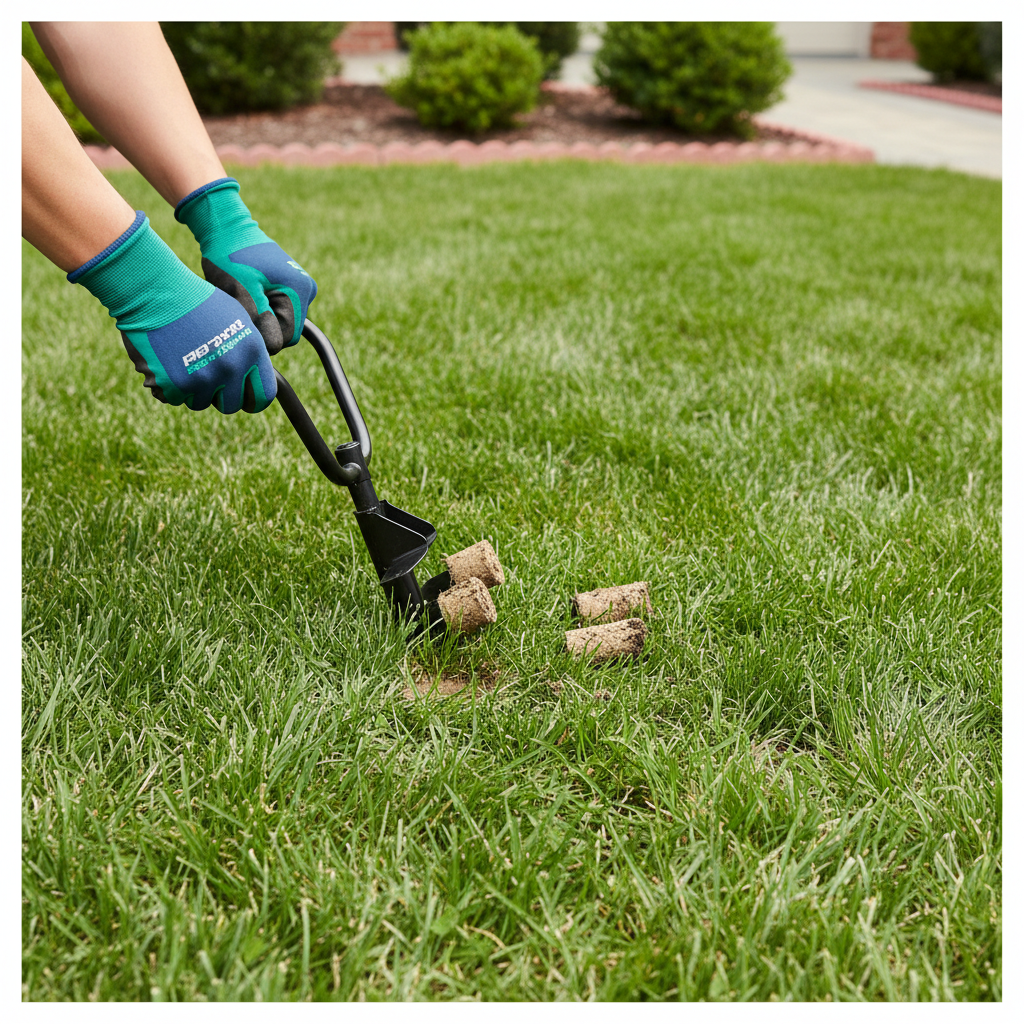
Aeration and overseeding are excellent practices for maintaining a thick, lush lawn. Aeration involves perforating the soil to allow air, water, and nutrients to penetrate the roots. This reduces soil compaction and promotes healthy growth.
Overseeding involves spreading grass seed over your existing lawn to fill in bare spots and improve density. This is best done in the fall for cool-season grasses and late spring for warm-season varieties.
Pest and Weed Management
Effective pest and weed management is essential for a healthy lawn. Identify common weeds and pests in your area and choose appropriate control methods. Natural options, such as introducing beneficial insects or using organic herbicides, can be effective and environmentally friendly.
Regular monitoring helps catch issues early, preventing them from escalating and causing significant damage to your lawn.
By implementing these expert tips, you can enjoy a lush, green lawn throughout the year. Consistent care, tailored to your specific grass type and local conditions, ensures a beautiful and healthy outdoor space.