Eco-Friendly Landscaping Solutions for California's Drought Conditions


California's ongoing drought conditions have spurred a growing interest in eco-friendly landscaping solutions. The need to conserve water while maintaining beautiful outdoor spaces has never been more critical. Fortunately, there are several sustainable practices that homeowners can adopt to create resilient and attractive landscapes.
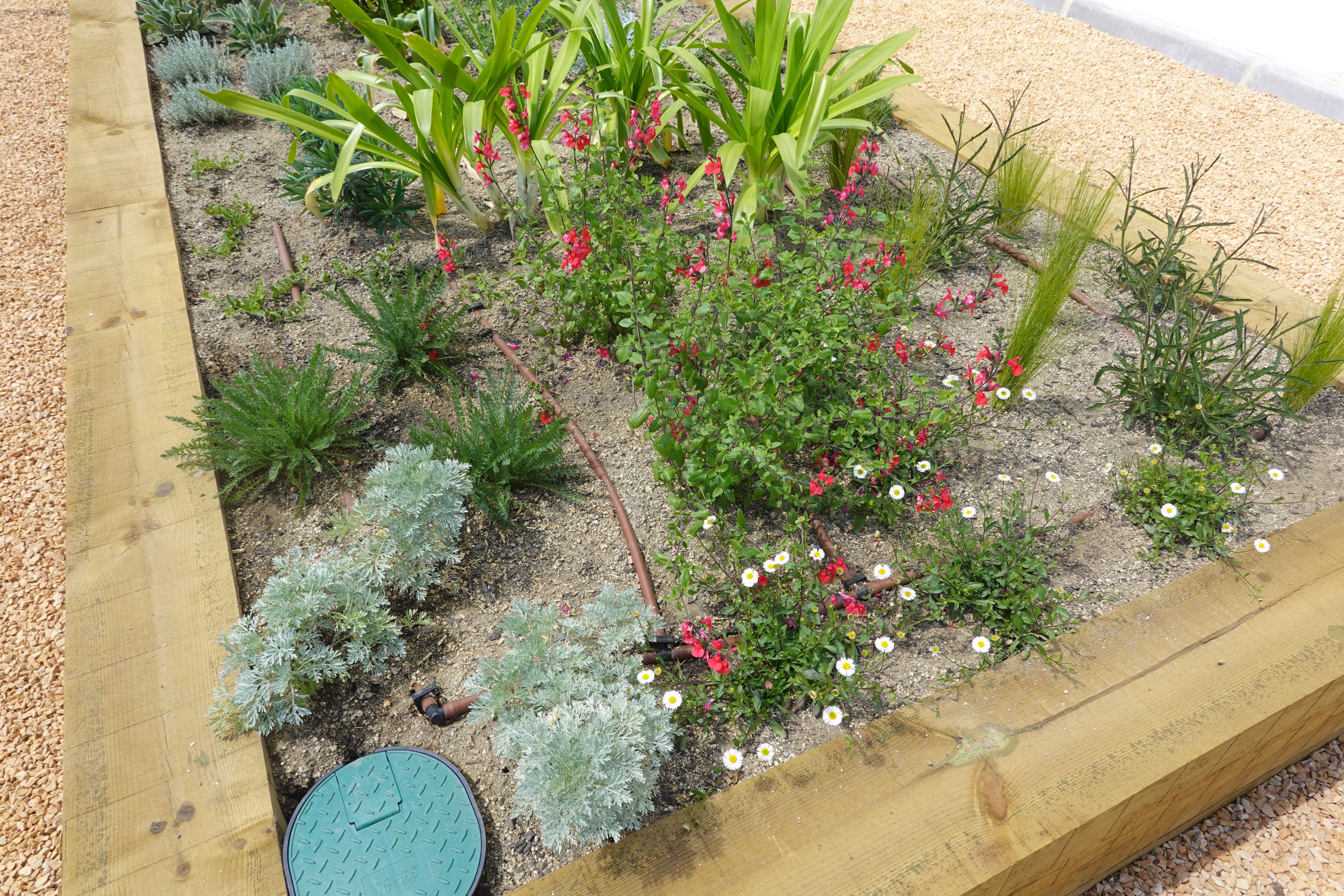
Understanding Xeriscaping
Xeriscaping is a landscaping method designed to reduce water usage. By incorporating drought-tolerant plants, homeowners can enjoy lush gardens without the excessive water consumption typical of traditional lawns. Native California plants such as succulents, lavender, and sage are excellent choices, as they naturally thrive in dry climates.
Beyond plant selection, xeriscaping involves strategic planning. Grouping plants with similar water needs together and using mulch can help retain soil moisture. These practices not only conserve water but also reduce maintenance efforts.
Implementing Smart Irrigation Systems
Smart irrigation systems are another effective solution for managing water usage efficiently. These systems utilize weather data and soil moisture sensors to optimize watering schedules, ensuring plants receive the right amount of water at the right time.
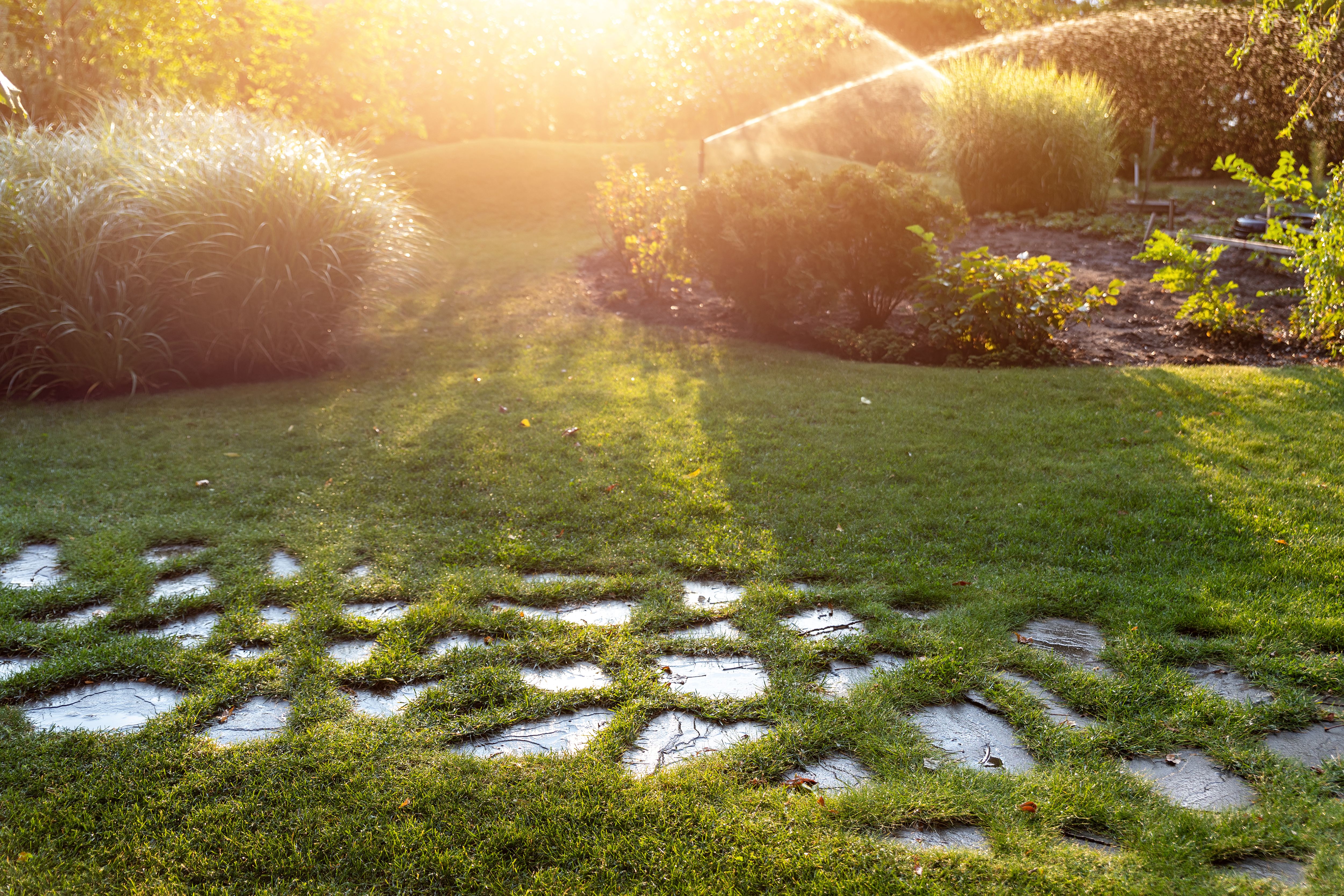
By investing in a smart irrigation system, homeowners can significantly reduce water waste. Many systems can be controlled via smartphone apps, providing convenience and the ability to adjust settings remotely.
Embracing Permeable Hardscapes
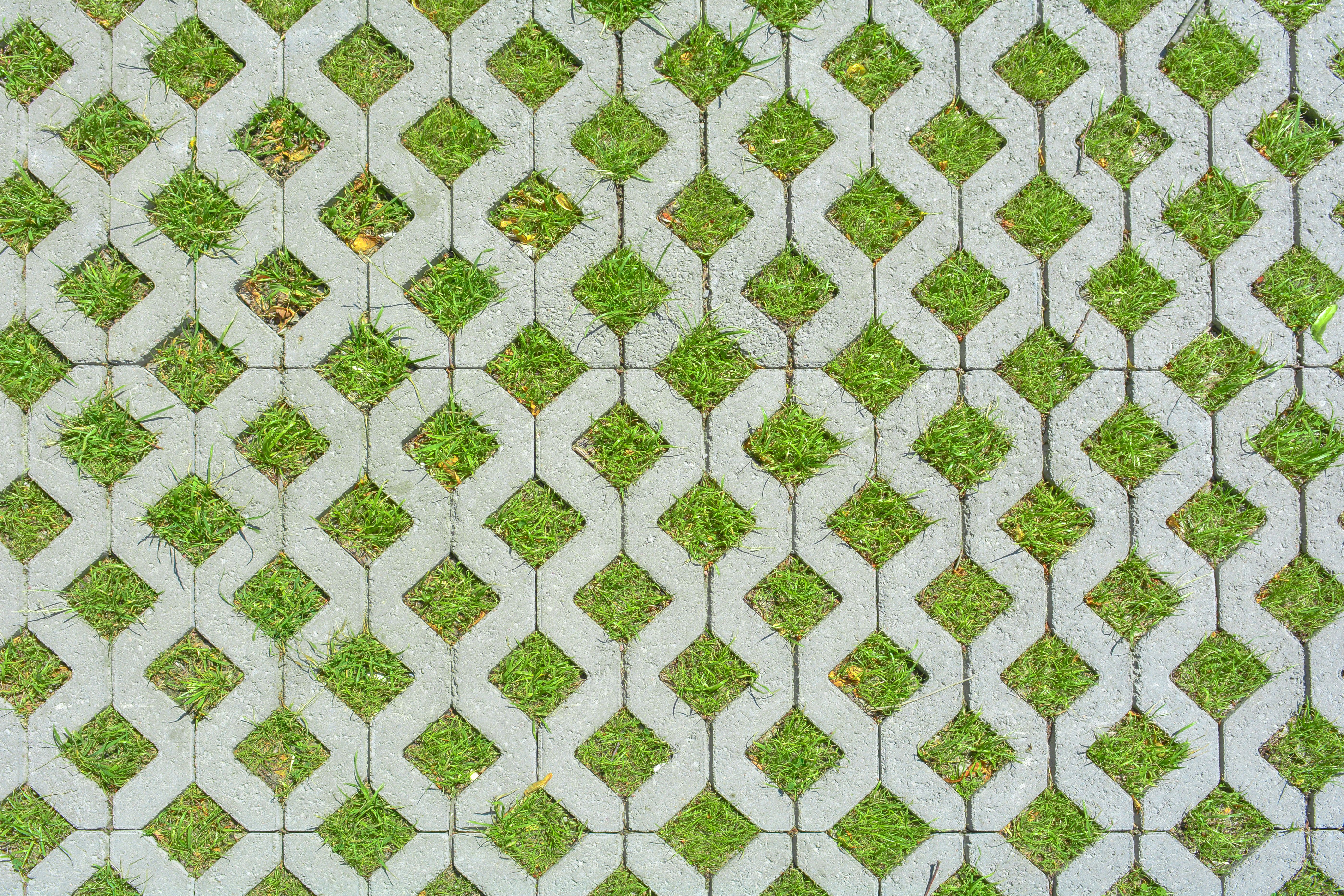
Traditional concrete surfaces often contribute to water runoff, which can exacerbate drought conditions. Permeable hardscapes, such as gravel, permeable pavers, and decomposed granite, allow rainwater to infiltrate the ground, replenishing the water table.
These materials not only support water conservation but also add aesthetic appeal to outdoor spaces. With various textures and colors available, they can complement any landscape design.
Utilizing Rainwater Harvesting
Rainwater harvesting is an innovative way to collect and store rainwater for future use. By installing rain barrels or more sophisticated catchment systems, homeowners can capture rainfall and use it to irrigate their gardens during dry spells.
This practice not only conserves water but also reduces reliance on municipal water supplies, ultimately lowering utility bills. It's a win-win for both the environment and homeowners looking to save money.
Creating Wildlife-Friendly Habitats
Eco-friendly landscaping also involves creating habitats that support local wildlife. By incorporating a variety of native plants, homeowners can attract pollinators like bees and butterflies, as well as birds seeking shelter and food.
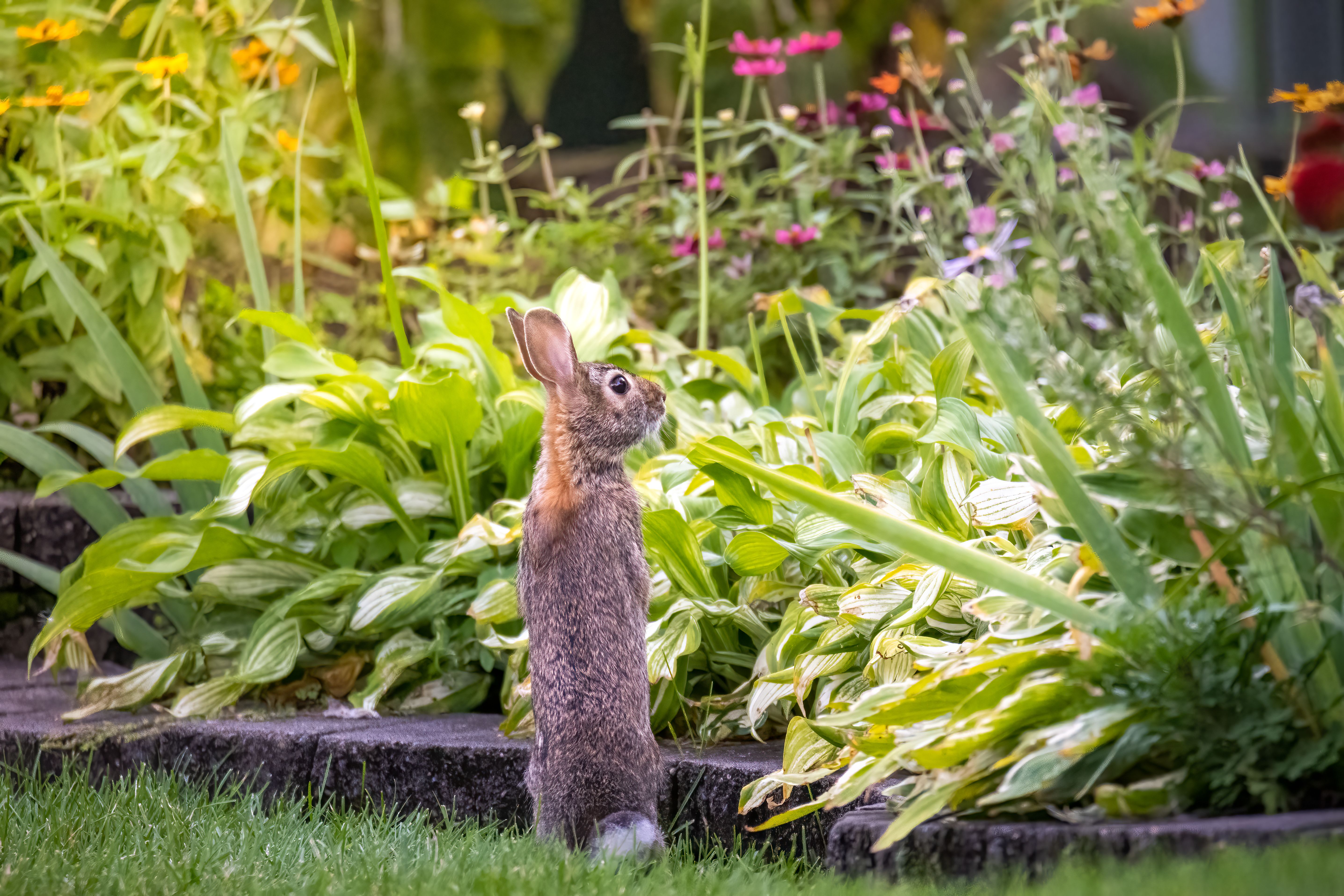
This approach not only enhances biodiversity but also ensures a balanced ecosystem in your backyard. In turn, these natural allies can help control pests and pollinate plants, contributing to a healthier garden.
Conclusion
Adopting eco-friendly landscaping solutions in response to California's drought conditions is both a practical and responsible choice. By embracing xeriscaping, smart irrigation, permeable hardscapes, rainwater harvesting, and wildlife-friendly habitats, homeowners can create sustainable landscapes that thrive amidst challenges.
With these strategies, it's possible to enjoy a beautiful, resilient garden while making a positive impact on the environment. As more people turn to these solutions, the collective effort can lead to a more sustainable future for California.