Drought-Smart Irrigation: Innovative Designs for Water-Saving Gardens


Understanding Drought-Smart Irrigation
As climate change continues to impact global weather patterns, water conservation has become a crucial aspect of gardening. Drought-smart irrigation systems are designed to optimize water usage while maintaining vibrant and healthy gardens. These systems leverage technology and innovative design to ensure that every drop counts.
Benefits of Water-Saving Gardens
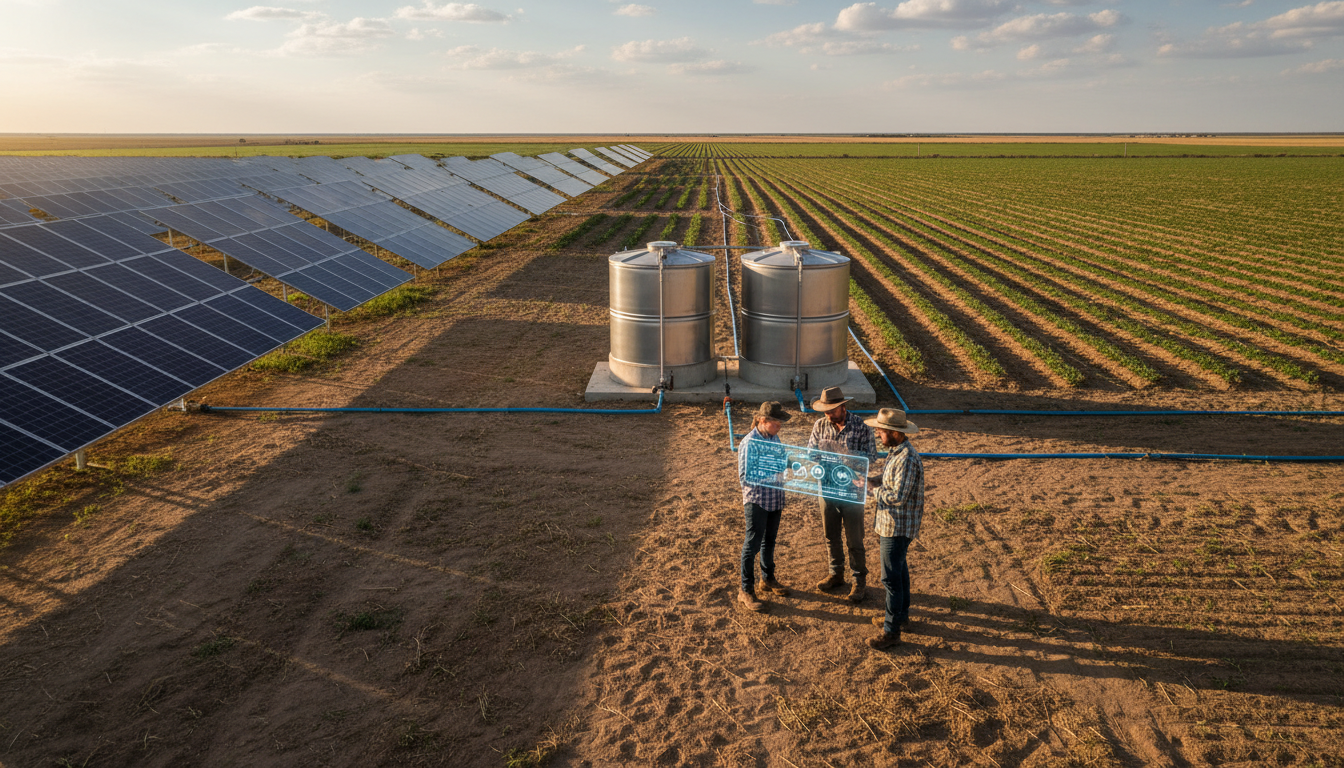
Water-saving gardens not only help in conserving a critical resource but also reduce utility costs and promote sustainability. By implementing drought-smart irrigation, gardeners can enjoy lush landscapes without the worry of excessive water bills. Additionally, these systems often enhance the health of plants by providing the optimal amount of water necessary for growth.
Adopting these systems is also an environmentally responsible choice. By reducing water waste, gardeners contribute to the preservation of local ecosystems and the reduction of greenhouse gas emissions associated with water processing and transportation.
Innovative Irrigation Techniques
Several innovative techniques are at the forefront of drought-smart irrigation. These include:
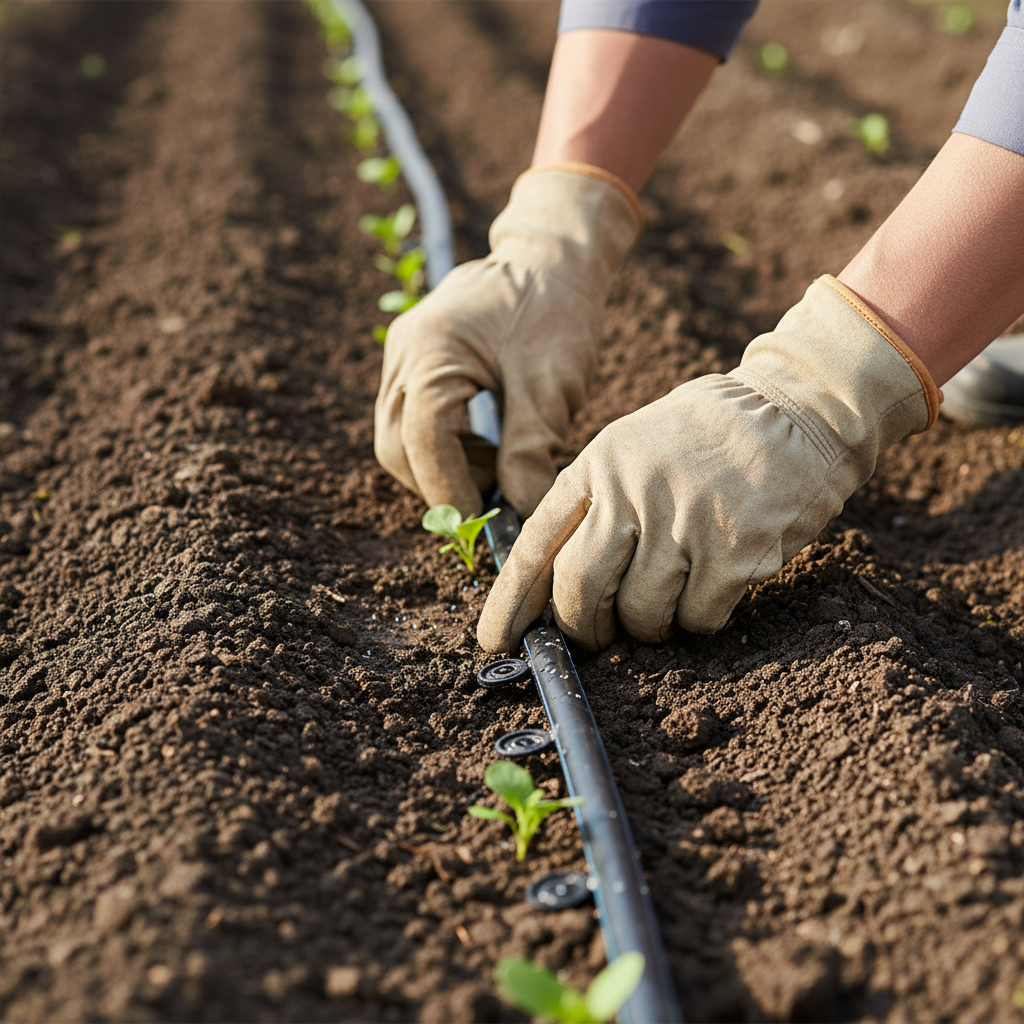
- Drip Irrigation: This method delivers water directly to the roots of plants through a network of tubes, minimizing evaporation and runoff.
- Soaker Hoses: Porous hoses that seep water slowly into the soil, ensuring deep penetration and minimal waste.
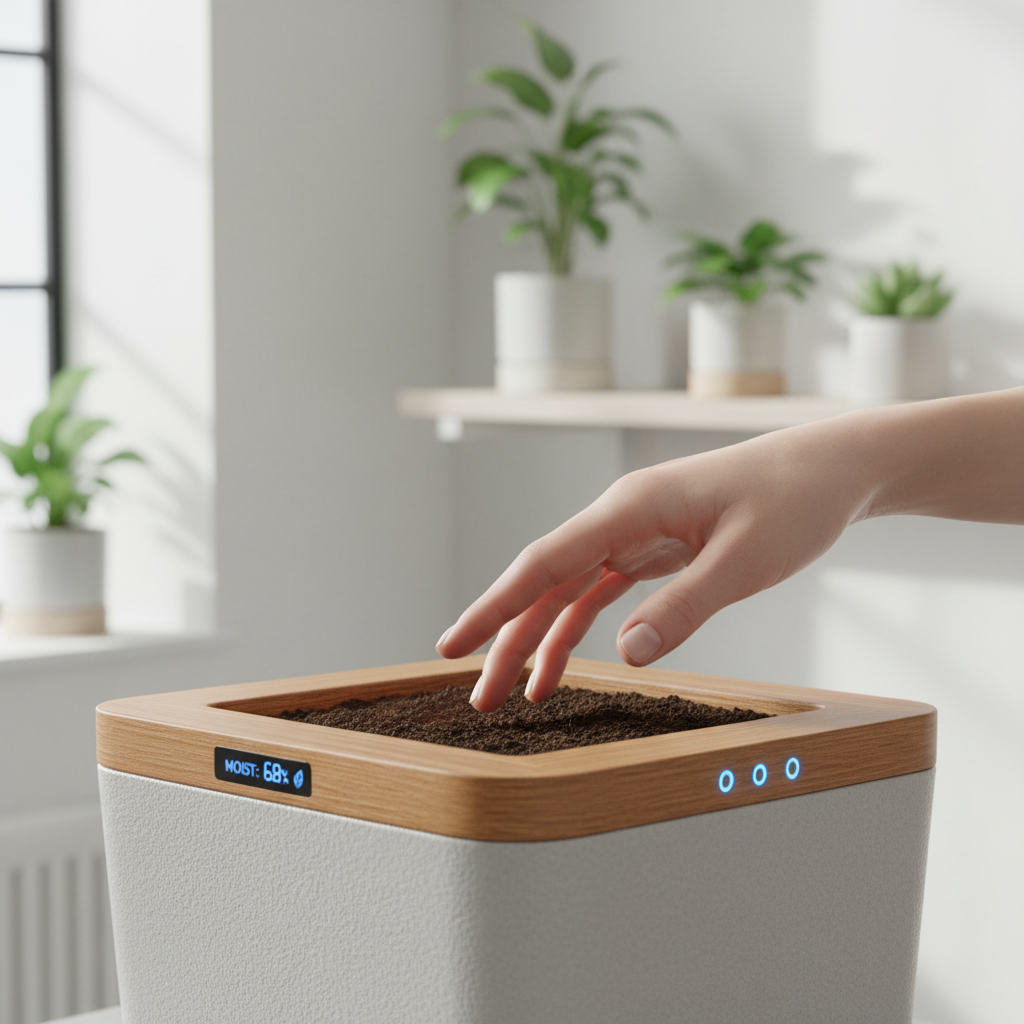
- Smart Controllers: These devices adjust watering schedules based on weather forecasts and soil moisture levels.
Designing a Water-Efficient Garden
Designing a garden with water efficiency in mind involves selecting native or drought-tolerant plants that naturally require less water. Incorporating mulch and ground covers can also help retain soil moisture and reduce evaporation. Grouping plants with similar water needs together further optimizes irrigation efficiency.
Consider creating zones within your garden that cater to different moisture requirements. This allows for more precise irrigation, ensuring that plants receive only the water they need.
Technological Advancements in Irrigation
Modern irrigation systems are increasingly incorporating advanced technologies. Smart sensors and weather-based controllers can automate irrigation, reducing the need for manual adjustments. These systems analyze real-time data to determine the precise amount of water necessary, eliminating guesswork and ensuring optimal plant health.
Implementing Sustainable Practices
In addition to high-tech solutions, sustainable practices such as rainwater harvesting and greywater recycling can further enhance water conservation efforts. Collecting rainwater in barrels or tanks provides an additional water source for dry periods, while greywater systems reuse household water for irrigation purposes.
By combining these traditional and modern techniques, gardeners can create a resilient and sustainable landscape that thrives even during drought conditions.
Conclusion
Drought-smart irrigation is a vital strategy in adapting to changing environmental conditions. With the right combination of technology and design, gardeners can maintain beautiful and productive gardens while significantly reducing water usage. Embracing these innovative solutions not only benefits individual gardens but also contributes to broader environmental conservation efforts.