DIY Lawn Care Tips: Simple Steps to a Lush Green Lawn


Maintaining a lush green lawn doesn’t have to be an overwhelming task. With a few simple DIY steps, your lawn can become the envy of the neighborhood. Whether you're a seasoned gardener or a novice, following these tips can help you achieve the perfect lawn.
Understanding Your Soil
The first step to a healthy lawn is understanding your soil. Conduct a soil test to determine its pH level and nutrient content. This information will guide you in choosing the right fertilizers and amendments.
A well-balanced soil will support robust grass growth. Adjust the pH if necessary by adding lime to raise it or sulfur to lower it. Knowing your soil’s needs will set the foundation for a thriving lawn.

Choosing the Right Grass
Not all grass types are suitable for every region. Choose a grass species that thrives in your local climate and soil conditions. Consider factors like sun exposure, foot traffic, and maintenance level when selecting your grass type.
Cool-season grasses, like Kentucky bluegrass, are ideal for cooler climates, while warm-season grasses, such as Bermuda grass, flourish in hotter areas. Selecting the right type will ensure your lawn remains vibrant year-round.
Regular Mowing Practices
Mowing regularly is crucial for lawn health. Set your mower blades to the appropriate height for your grass type to avoid cutting it too short, which can stress the grass and lead to brown patches.
Keep your mower blades sharp to ensure a clean cut and avoid damaging the grass. Aim to mow your lawn once a week during the growing season and adjust based on growth rates.

Watering Wisely
Proper watering is essential for maintaining a green lawn. Water deeply but infrequently to encourage deep root growth. Early morning is the best time to water, as it reduces evaporation and fungal diseases.
Use a sprinkler system or a garden hose with a timer to ensure even coverage. Avoid watering in the evening as it can lead to prolonged wetness and disease.
Fertilizing for Growth
Fertilizing provides essential nutrients for your lawn. Choose a fertilizer based on your soil test results, and apply it during the growing season for best results.
Consider using organic fertilizers, which release nutrients slowly and improve soil health over time. Follow the recommended application rates to avoid over-fertilization, which can harm your lawn.
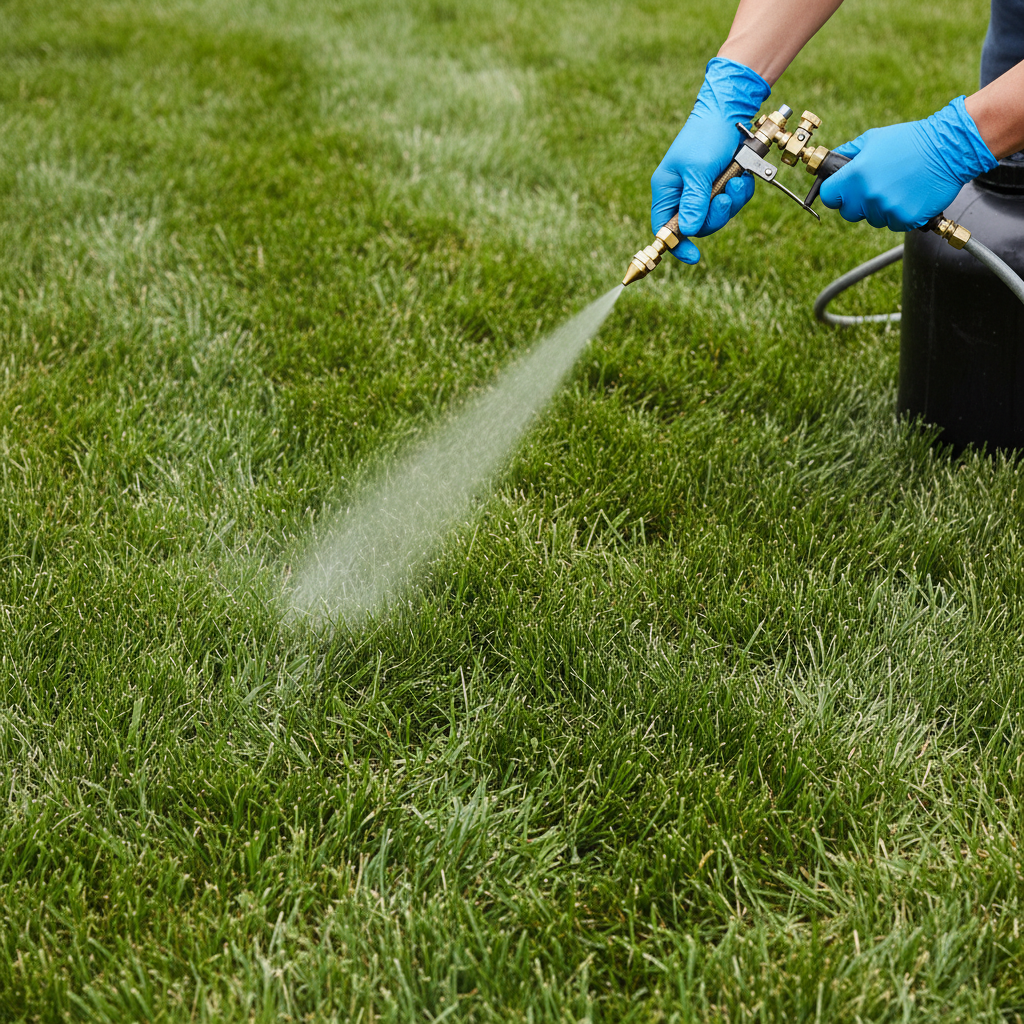
Weed and Pest Control
Weeds and pests can quickly ruin a beautiful lawn. Hand-pull weeds regularly or use a targeted herbicide to keep them at bay. For pest control, identify the pest first and choose an appropriate treatment.
Encourage beneficial insects that prey on lawn pests, or use natural solutions like neem oil for a more eco-friendly approach. Regular monitoring will help you catch and address issues early.
By following these DIY lawn care tips, you can achieve a lush, green lawn with minimal effort. Remember, consistency is key, and with a little patience, your lawn will thrive.