Comprehensive Guide to Eco-Friendly Landscaping for California Drought Conditions


California's persistent drought conditions have made eco-friendly landscaping not just a trend but a necessity. Embracing sustainable practices can help conserve water, reduce environmental impact, and create beautiful outdoor spaces that thrive even in challenging climates.
Understanding Xeriscaping
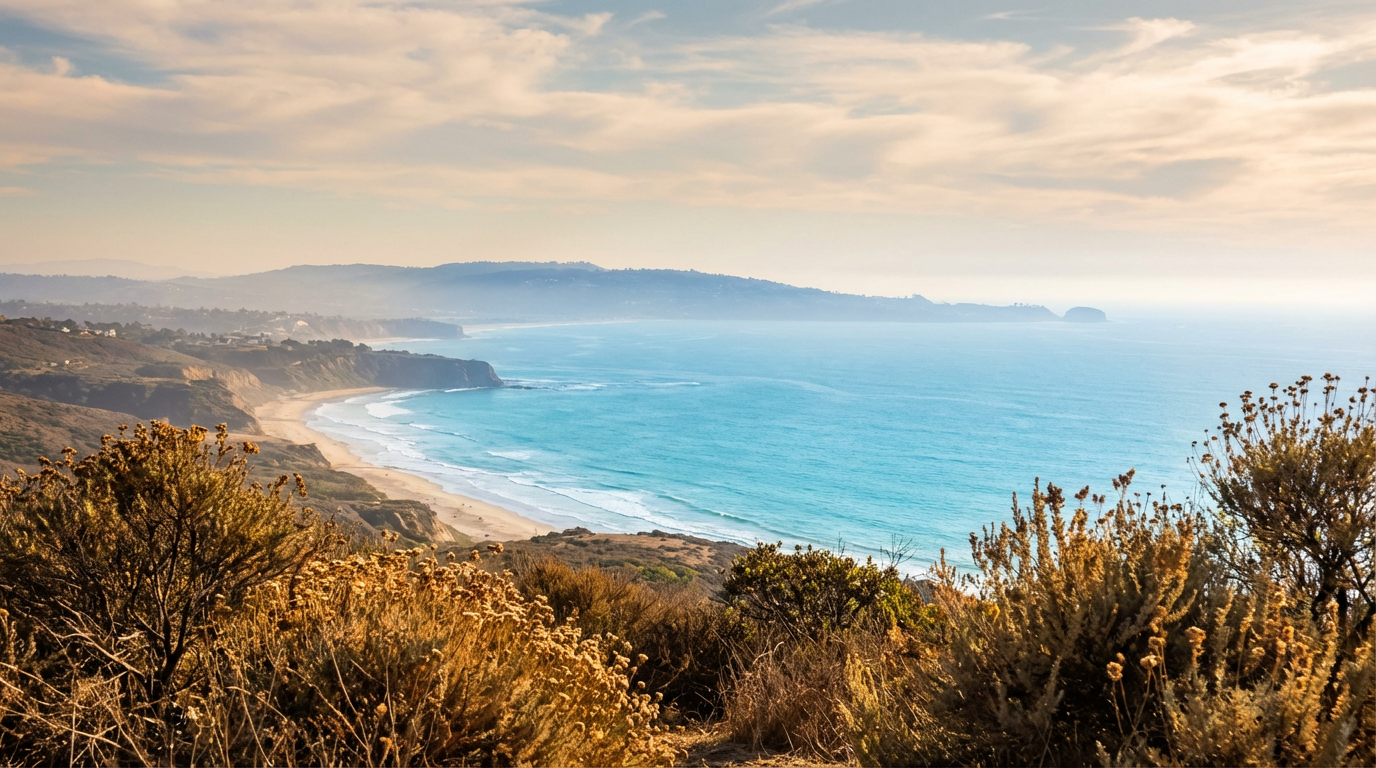
Xeriscaping is a landscaping philosophy designed specifically for drought-prone areas. It involves using plants that require minimal water and are well-adapted to dry environments. This method not only conserves water but also reduces maintenance efforts.
Choosing the Right Plants
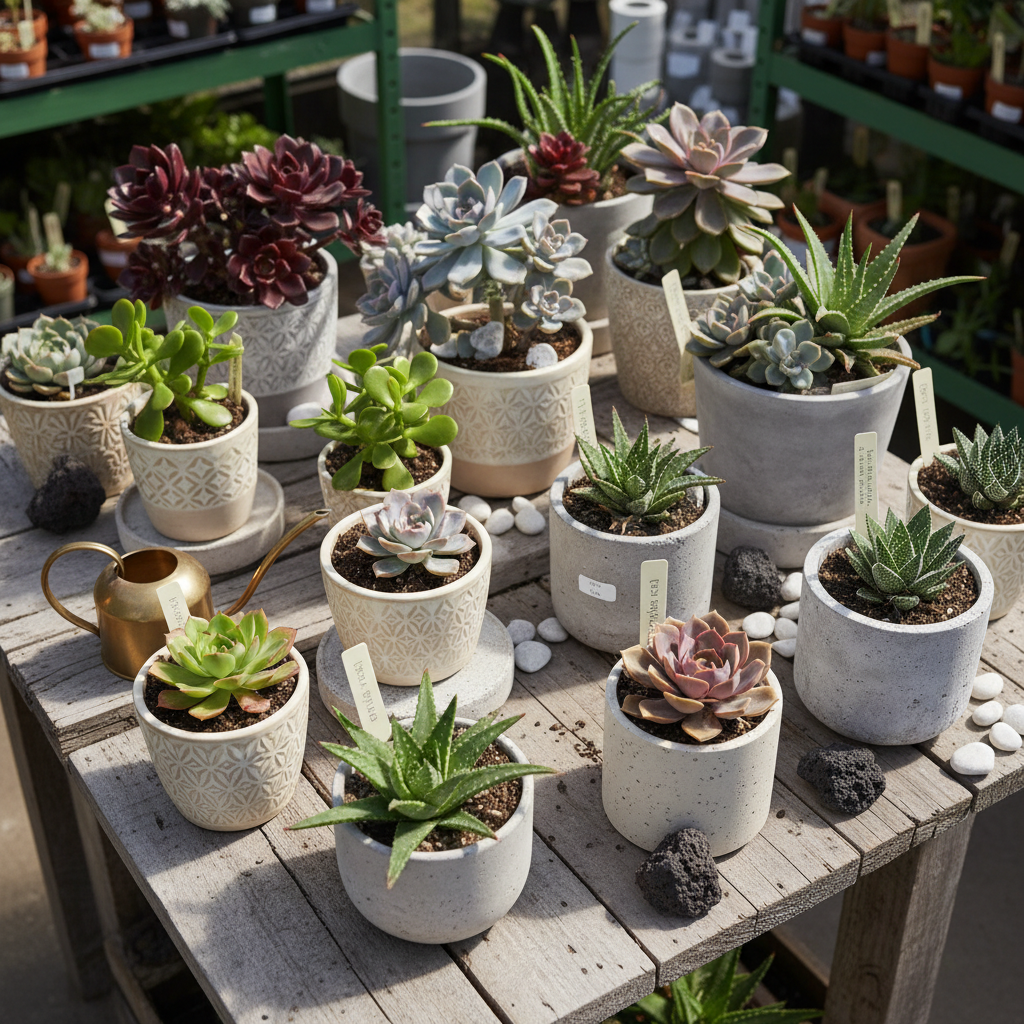
When selecting plants for xeriscaping, it’s essential to consider native species. Native plants are naturally adapted to the local climate and require less water. Some excellent choices include California poppies, lavender, and succulents. These plants provide vibrant colors and textures while being drought-resistant.
Efficient Irrigation Practices
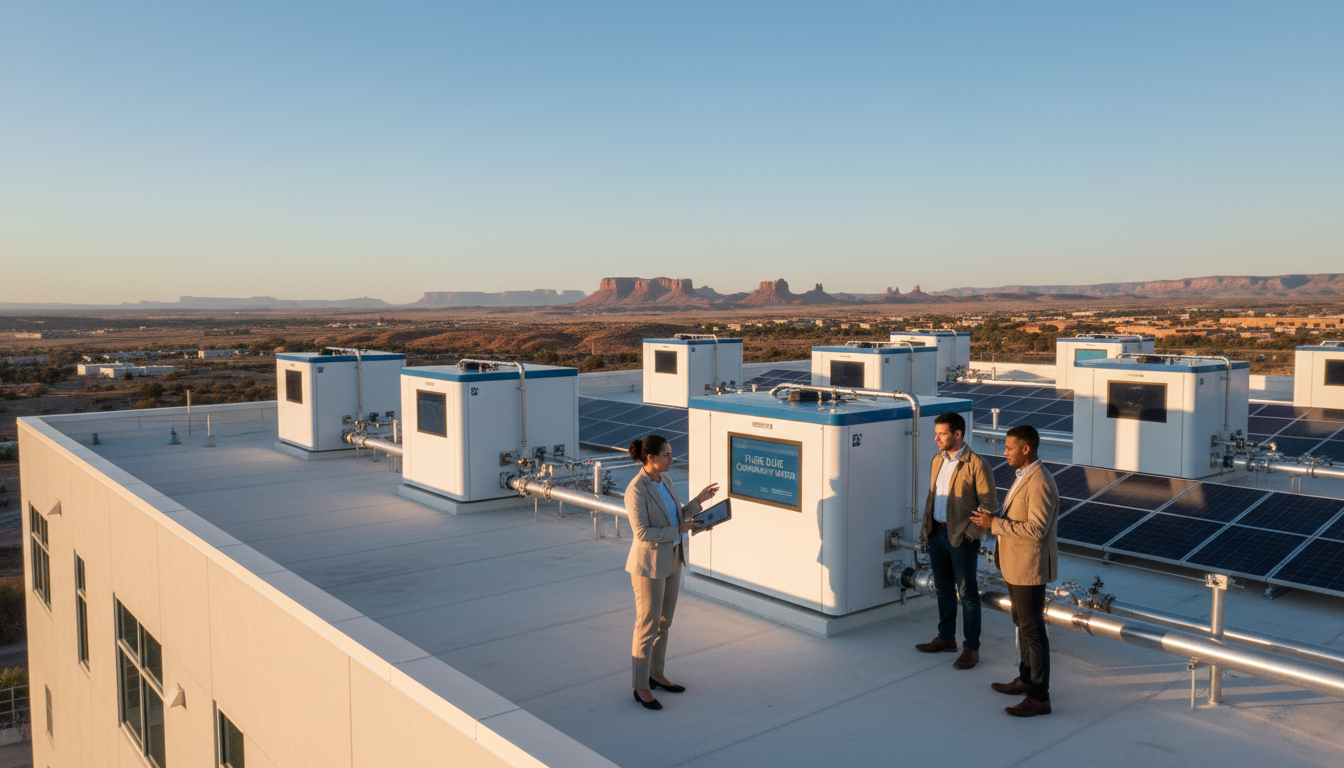
Implementing efficient irrigation systems is crucial in eco-friendly landscaping. Drip irrigation is an excellent choice as it delivers water directly to the plant roots, minimizing evaporation. Additionally, consider watering during early morning or late evening to reduce water loss.
Rainwater Harvesting
Harvesting rainwater is an effective way to supplement your water supply. By installing rain barrels, you can collect and store rainwater for future use. This practice not only conserves water but also reduces your utility bills.
Soil Management Techniques
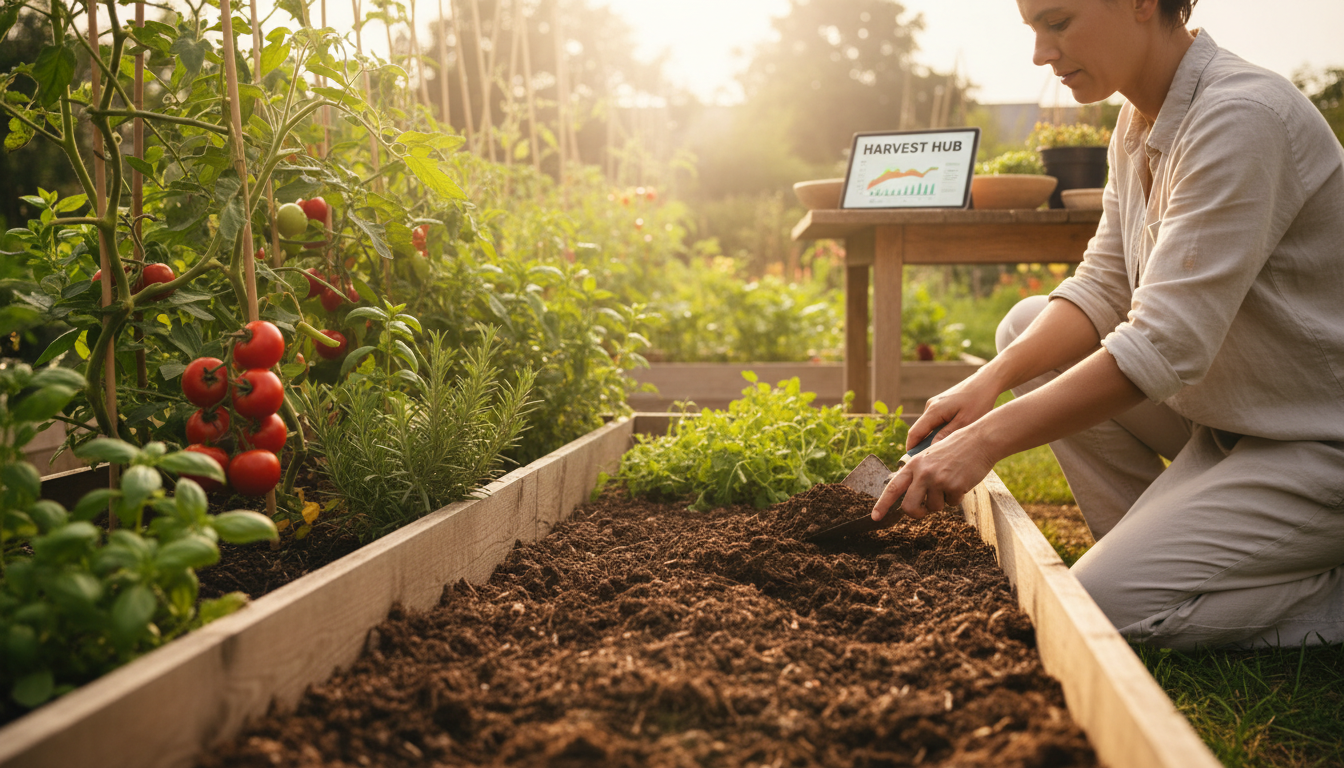
Healthy soil is the foundation of any successful landscape. Incorporating organic matter such as compost can improve soil structure and water retention. Mulching is another vital practice that helps retain moisture, suppress weeds, and regulate soil temperature.
Compost and Mulch
Using compost enriches the soil with nutrients, promoting healthier plant growth. Mulch, on the other hand, acts as a protective layer, keeping the soil cool and reducing evaporation. Both practices play a significant role in sustainable landscaping.
Incorporating Hardscaping Elements
Hardscaping involves using non-plant elements like rocks, gravel, or pavers to enhance your landscape. These materials require no water, making them an ideal choice for drought conditions. They add structure and aesthetic appeal while reducing your landscape’s water needs.
By integrating eco-friendly landscaping practices, you can create a resilient and beautiful outdoor space that thrives in California’s drought conditions. Not only does this approach conserve water and reduce maintenance, but it also contributes to a healthier environment.